Oesophageal Cancer: Symptoms & Diagnosis

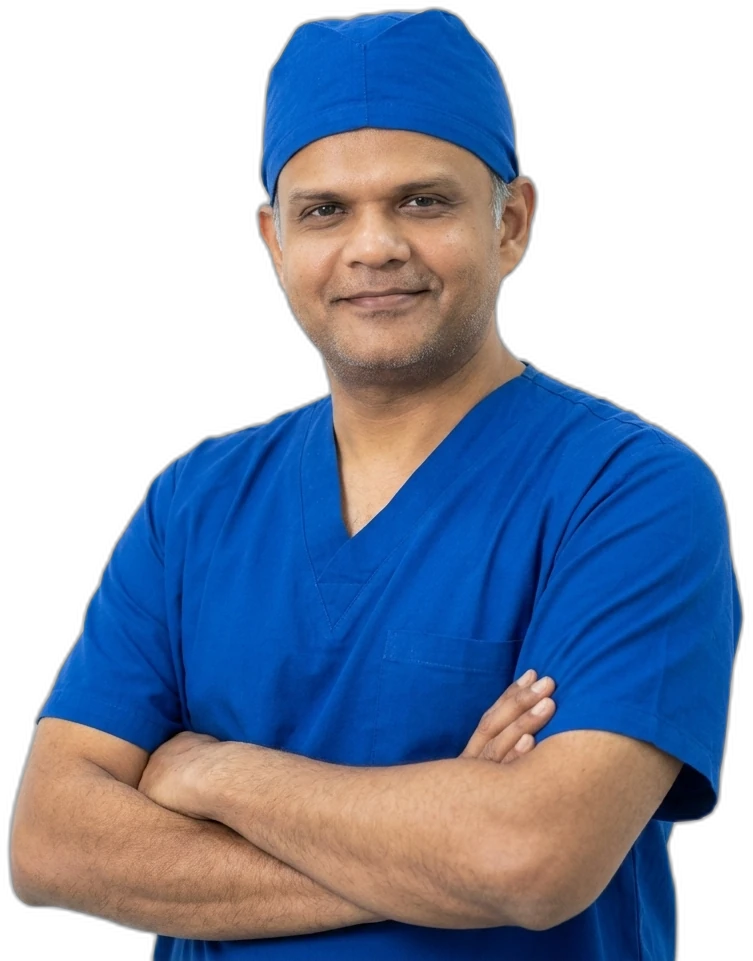
Explained by Dr. Babu Elangovan, Surgical Gastroenterologist & Liver Transplant Surgeon, Chennai

Medically reviewed by Dr. Babu ElangovanLast reviewed

Oesophageal (food pipe) cancer often shows itself as difficulty swallowing. It is a complex cancer that benefits from an experienced GI surgical team. Treatment is planned with oncology and may combine chemo-radiotherapy with surgery (oesophagectomy) to remove the cancer and rebuild the swallowing passage.

Signs & symptoms

  • Difficulty or pain on swallowing, worsening over time
  • Food sticking in the chest or throat
  • Unexplained weight loss
  • Persistent heartburn or reflux
  • Hoarseness or a chronic cough

Symptoms that persist, keep coming back or are getting worse deserve a specialist assessment — book a consultation.

How we treat it

  • Endoscopy, biopsy and staging (CT / PET / EUS)
  • Multidisciplinary planning with oncology
  • Oesophagectomy with reconstruction
  • Minimally invasive approaches where suitable

Your surgeon

Planned and followed through from diagnosis to recovery, with the hospital team.

Oesophageal (Food Pipe) Cancer Treatment in Chennai

Oesophageal cancer often shows itself as difficulty swallowing that gradually worsens. It is a complex cancer that benefits from an experienced GI surgical team and a multidisciplinary plan.

Treatment is planned with oncology and may combine chemo-radiotherapy with surgery (oesophagectomy) to remove the cancer and rebuild the swallowing passage.

Signs and Symptoms

Difficulty or pain on swallowing, worsening over time.

Food sticking in the chest or throat.

Unexplained weight loss and persistent heartburn or reflux.

Hoarseness or a chronic cough.

How Oesophageal Cancer Is Treated

Diagnosis uses endoscopy with biopsy and staging scans (CT, PET and endoscopic ultrasound).

Treatment is usually chemo-radiotherapy followed by oesophagectomy, with reconstruction of the swallowing passage. Minimally invasive approaches are used where suitable. Care is coordinated within a multidisciplinary team.

Detailed procedure guides

For the operation itself — how it is done, hospital stay, cost and recovery — see the guide below.

Related reading

Patient guides from Dr. Babu Elangovan on oesophageal cancer.

Where to consult Dr. Babu Elangovan for oesophageal cancer

One booking line for every location; timings can change, so please confirm when you book. All locations

Frequently asked questions

What is the first sign of oesophageal cancer?

The most common first sign is difficulty swallowing that gradually worsens, sometimes with food sticking in the chest. Persistent reflux, weight loss or a chronic cough can also occur and should be evaluated.

How is oesophageal cancer treated?

Treatment is usually chemo-radiotherapy followed by surgery (oesophagectomy) to remove the cancer and rebuild the swallowing passage, planned within a multidisciplinary team.

What is an oesophagectomy?

An oesophagectomy removes the cancer-bearing part of the oesophagus (food pipe) and reconstructs the swallowing passage, usually using the stomach. It is complex surgery requiring an experienced team.

Can oesophageal cancer surgery be minimally invasive?

In suitable patients, parts of the operation can be performed minimally invasively, which can aid recovery. The approach is chosen based on the tumour and your fitness.

How is oesophageal cancer diagnosed?

Diagnosis uses endoscopy with biopsy, followed by staging scans such as CT, PET and endoscopic ultrasound, to plan treatment.

Who plans oesophageal cancer treatment?

A multidisciplinary team of surgery, oncology and radiology plans your care. Dr. Babu Elangovan explains the surgical options and coordinates the steps in the right order.

Related conditions

Planning your care

Part of gi cancer surgery care

Surgery for stomach, colon, rectal and oesophageal cancer — radical resection with lymph-node clearance, often minimally invasive, within a multidisciplinary plan.