What to Expect During a Gastroscopy or Colonoscopy
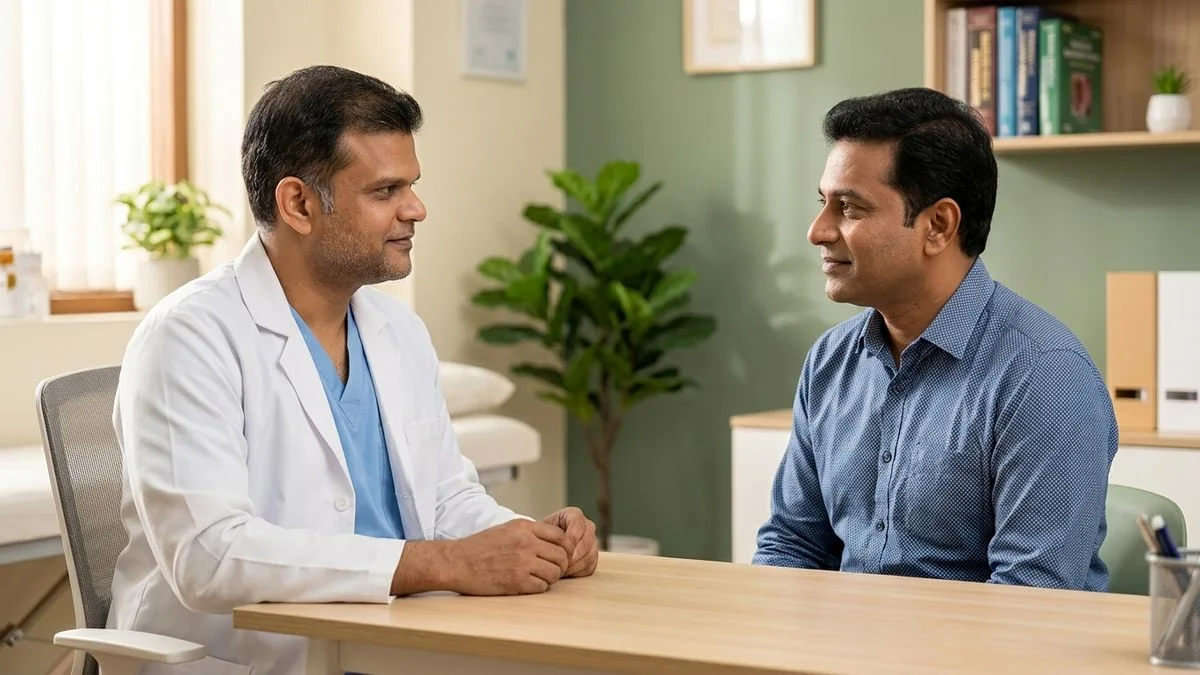
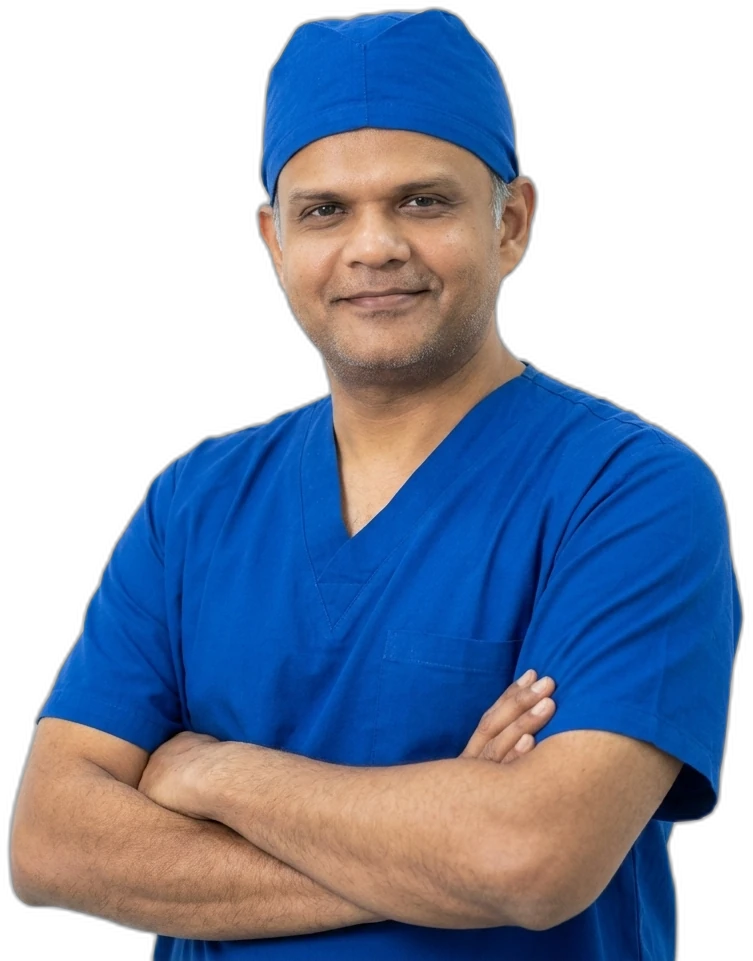
Need expert consultation? Book an appointment with Dr. Babu Elangovan.
Book AppointmentUndergoing any medical evaluation can bring about a mix of anxiety and uncertainty, especially when it involves examining your digestive tract from the inside. If your doctor has recommended an upper or lower endoscopic evaluation, understanding the process is the most effective way to ease your mind. Knowing exactly what to expect during a gastroscopy or colonoscopy can transform a stressful medical milestone into a routine, manageable step toward safeguarding your health.
With over two decades of clinical and operative experience in surgical gastroenterology and liver transplantation, Dr. Babu Elangovan emphasizes that these diagnostic procedures are highly safe, routine, and invaluable for preventive care. Whether you are experiencing persistent digestive symptoms or undergoing routine screening, this guide walks you through every phase of the process, ensuring you feel prepared, comfortable, and informed.
Demystifying Gastroscopy and Colonoscopy
Before diving into the clinical details, it is helpful to understand what these procedures actually are. Both fall under the umbrella of gastrointestinal (GI) endoscopy, which refers to the visual examination of internal organs using an endoscope—a thin, highly flexible tube equipped with a high-definition camera and a bright light source at its tip.
What is a Gastroscopy?
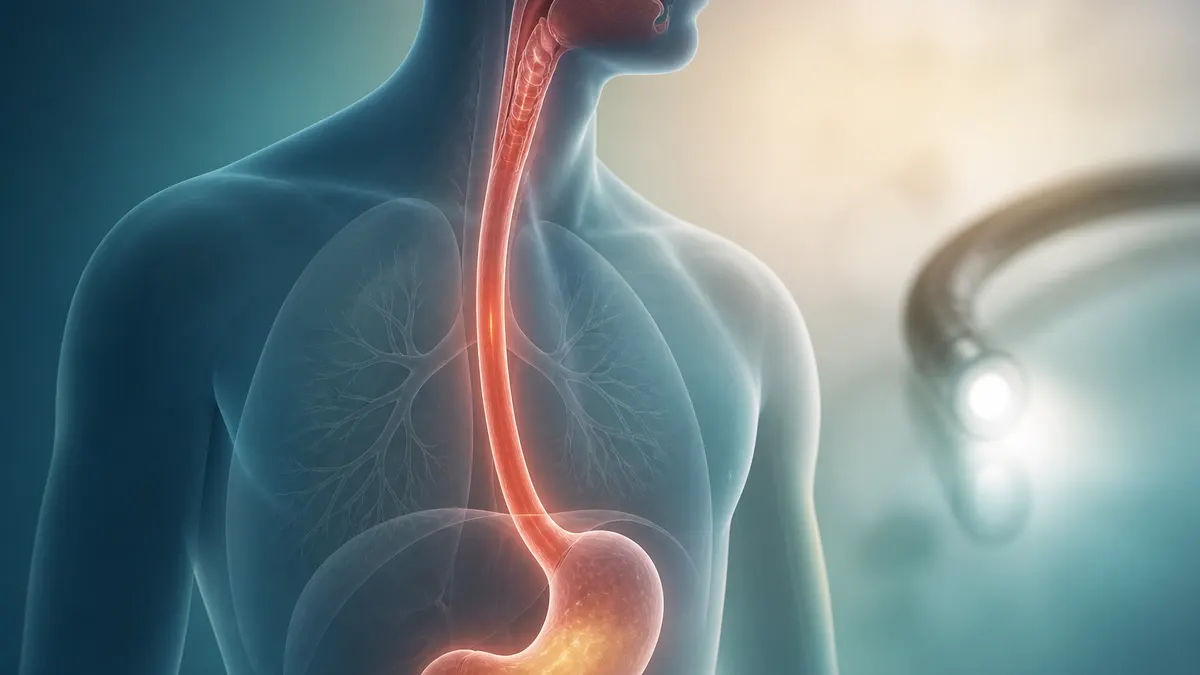
Commonly referred to as an upper GI endoscopy, a gastroscopy allows your specialist to examine the lining of your upper digestive tract. This includes your food pipe (esophagus), your stomach, and the first part of your small intestine (duodenum). The endoscope is gently guided through your mouth and down your throat while you are under light sedation or local anesthesia.
What is a Colonoscopy?
A colonoscopy is designed to evaluate the lower digestive tract. The flexible scope is inserted through the rectum and guided through the entire length of the large intestine (colon), occasionally extending into the very end of the small intestine (terminal ileum). This procedure is highly effective for identifying and removing precancerous polyps, detecting inflammation, and investigating abnormal bowel patterns.
Why Has Your Doctor Recommended These Procedures?
Endoscopic evaluations are performed for two primary reasons: diagnostic investigation (identifying the cause of symptoms) and screening (preventing disease before symptoms appear).
If you are experiencing any of the following symptoms, Dr. Babu Elangovan may recommend a GI endoscopy to pinpoint the exact cause:
- Persistent Upper GI Symptoms: Chronic acid reflux, difficulty swallowing (dysphagia), persistent nausea, unexplained vomiting, or recurring pain in the upper abdomen.
- Unexplained Weight Loss or Anemia: Sudden drop in weight without dieting, or low iron levels that suggest slow, hidden blood loss within the digestive tract.
- Bowel Habit Changes: Chronic diarrhea, persistent constipation, or an alternating pattern of both that lasts for more than a few weeks.
- Visible or Hidden Bleeding: Passing dark, tarry stools, vomiting blood, or testing positive for microscopic blood in a stool test (fecal occult blood test).
- Cancer Screening: A colonoscopy is widely recognized as the gold standard for colorectal cancer screening. It allows for the detection and immediate removal of benign growths called polyps before they have a chance to transform into cancer over time. This is a critical component of preventative GI cancer surgery strategies.
How to Prepare: The Key to a Successful Procedure
The success and accuracy of both gastroscopy and colonoscopy depend heavily on proper patient preparation. If the digestive tract is not sufficiently clear, the camera's view may be obscured, which could result in missed lesions or the need to reschedule the entire procedure.
Preparing for a Gastroscopy
Preparing for an upper GI endoscopy is relatively straightforward because the stomach empties its contents naturally over a few hours:
- Fasting: You must completely avoid solid food for at least 6 to 8 hours before your scheduled procedure.
- Clear Liquids: You may drink small sips of plain water up to 2 to 4 hours before the test, after which you must remain completely "nil per oral" (NPO), meaning nothing by mouth.
- Medication Management: Inform Dr. Babu Elangovan about all medications you take. While most daily medications can be taken with a tiny sip of water, blood thinners (like aspirin, clopidogrel, or warfarin) and diabetes medications may need to be temporarily adjusted or paused.
Preparing for a Colonoscopy
Bowel preparation for a colonoscopy is more intensive because the large intestine naturally stores solid waste. Your medical team will provide a specific "bowel prep" protocol, which typically includes:
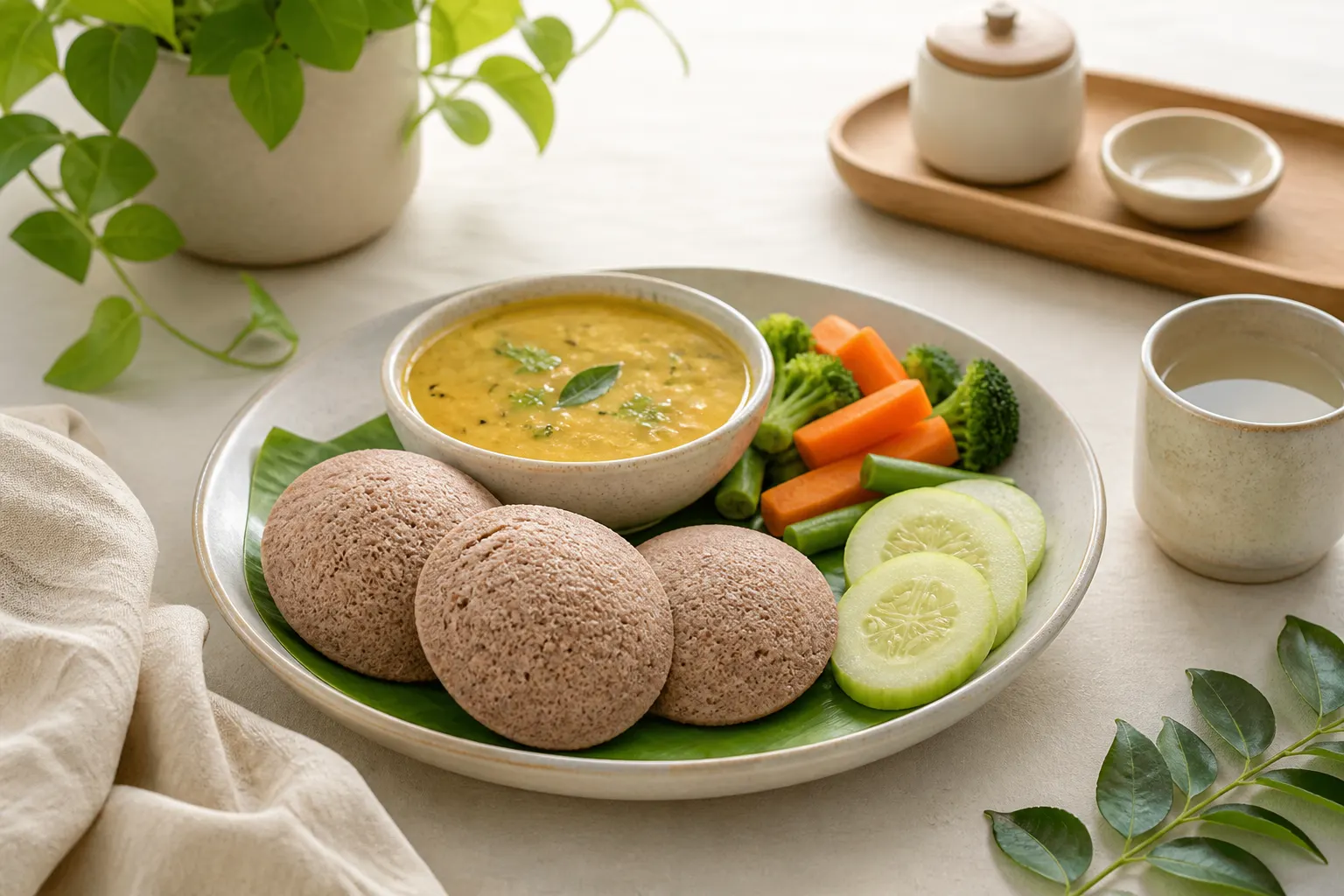
- Low-Fiber Diet: For two to three days leading up to the procedure, you should consume a low-residue diet. Avoid seeds, nuts, whole grains, raw fruits, and leafy green vegetables.
- Clear Liquid Diet: On the day before your colonoscopy, you must stop eating solid foods entirely. You may only consume clear liquids, such as clear broth, plain water, tender coconut water, and light-colored sports drinks. Avoid any liquids that are red, purple, or blue, as these dyes can mimic the appearance of blood in the colon.
- The Laxative Solution: You will be prescribed a strong laxative solution (usually in powder form to be mixed with water). Drinking this solution triggers frequent, watery bowel movements designed to completely flush out your colon. While the process can be inconvenient, completing it thoroughly is absolutely vital for an accurate examination.
| Feature | Gastroscopy (Upper Endoscopy) | Colonoscopy (Lower Endoscopy) |
|---|---|---|
| Primary Focus | Esophagus, stomach, and duodenum | Large intestine (colon) and rectum |
| Dietary Restriction | Fasting (no food) for 6–8 hours | Clear liquid diet for 24 hours prior |
| Bowel Preparation | None required | Oral laxative wash out the day before |
| Average Duration | 10 to 15 minutes | 20 to 45 minutes |
| Anesthesia/Sedation | Throat spray + light sedation | Intravenous conscious or deep sedation |
| Key Objectives | Diagnose ulcers, reflux, H. pylori, or tumors | Screen for polyps, IBD, or colorectal cancer |
If you are experiencing symptoms that might require diagnostic clarity, early assessment matters. Request a consultation with Dr. Babu Elangovan at his Chennai consulting locations to discuss your symptoms and determine if an endoscopic evaluation is appropriate for you.
What to Expect During a Gastroscopy: Step-by-Step
When you arrive at the endoscopy suite or hospital for your gastroscopy, you will be guided through a highly organized, step-by-step process designed to maximize your comfort and safety.
Step 1: Pre-Procedure Preparation
You will change into a hospital gown, and a nurse will record your vital signs (blood pressure, heart rate, and oxygen levels). A small intravenous (IV) cannula will be placed in your hand or arm to administer fluids and sedatives.
Step 2: Ensuring Throat Comfort
To minimize the natural gag reflex, your throat will be sprayed with a local anesthetic. This spray has a slightly bitter taste and will make your throat feel numb and thick within a couple of minutes, making the passage of the scope entirely manageable.
Step 3: Administering Sedation
While some patients choose to have a gastroscopy with only the local throat spray, most prefer to receive a mild, fast-acting sedative through the IV line. This is not general anesthesia; rather, it is "conscious sedation" or "monitored anesthesia care." It will make you feel extremely relaxed, drowsy, and typically drift into a light sleep. You will still be breathing on your own.
Step 4: Position and Scope Insertion
You will be asked to lie comfortably on your left side. A small, soft plastic mouthguard will be placed between your teeth to protect your teeth and prevent you from accidentally biting the delicate endoscope.
Dr. Babu Elangovan will then gently introduce the lubricated endoscope into your mouth. As you swallow, the scope passes smoothly down your esophagus. Because the scope is much thinner than a standard piece of food, it does not interfere with your breathing in any way.
Step 5: Visual Inspection and Biopsy
As the scope moves through your esophagus, stomach, and duodenum, a small amount of air or carbon dioxide is gently pumped through the tube to inflate the organs slightly. This flattens the folds of the stomach lining, allowing for a highly detailed visual inspection.
If any abnormal areas are spotted—such as an inflamed patch, an ulcer, or a small growth—Dr. Babu Elangovan can pass a tiny instrument through the scope to take a biopsy (a small tissue sample). Taking a biopsy is completely painless and does not cause any discomfort. The entire gastroscopy is usually completed in under 15 minutes.
What to Expect During a Colonoscopy: Step-by-Step
A colonoscopy follows a very similar workflow but focuses on the lower digestive tract. Because the colon has more curves and is longer, sedation is standard practice to ensure you remain completely comfortable and pain-free.
Step 1: Monitoring and Sedation
Just like the gastroscopy, you will lie on your left side with your knees slightly bent toward your chest. Sedative medication will be delivered through your IV. Most patients fall asleep quickly and have no memory of the procedure itself when they wake up.
Step 2: Insertion of the Colonoscope
Once you are fully relaxed, Dr. Babu Elangovan will gently insert the lubricated colonoscope through the rectum. The camera transmits real-time, high-definition images to a monitor in the room.
Step 3: Insufflation and Navigation
To navigate the twists and turns of the large intestine safely, the doctor will introduce a small amount of carbon dioxide gas to gently inflate the colon. This expands the pathway, giving the specialist a clear, unobstructed view of the mucosal lining. If you are awake, you might feel a mild sensation of bloating or cramping, similar to gas pain, but this is temporary and carefully monitored.
Step 4: Therapeutic Interventions (Polypectomy)
As the scope is slowly withdrawn, the lining of the colon is meticulously examined. If a polyp (a small, mushroom-like growth on the lining) is identified, it can be removed immediately using a wire loop (snare) passed through the colonoscope. This process, called a polypectomy, is entirely painless because the lining of the colon does not have pain receptors for cutting or burning. Removing these polyps is the primary way colonoscopies prevent colorectal cancer.
The entire colonoscopy procedure typically takes between 20 and 45 minutes, depending on the anatomy of your colon and whether any polyps need to be removed.
Recovery and Post-Procedure Care: What Happens Next?
Once the procedure is complete, you will be moved to a dedicated recovery bay, where a nursing team will monitor you as the sedation gradually wears off.
Immediately After the Procedure
- Waking Up: You will likely feel groggy or sleepy for about 30 to 60 minutes after the procedure.
- Managing Gas: If you had a colonoscopy, you may feel bloated or pass gas. This is completely normal and is simply your body releasing the air or carbon dioxide used to inflate the colon during the exam. Walking around gently can help relieve this sensation.
- Dietary Resumption: Once you are fully awake and your throat reflex has returned to normal (usually within an hour for gastroscopy), you can typically begin drinking clear liquids and progress to a light, non-greasy meal.
Going Home Safely
- Mandatory Escort: Because sedatives impair your reflexes and judgment, you cannot drive yourself home or travel alone in public transport. You must have a responsible adult accompany you home.
- Rest: Plan to rest for the remainder of the day. Avoid operating heavy machinery, signing legal documents, or drinking alcohol for 24 hours post-sedation.
When to Seek Immediate Medical Attention
While complications are exceptionally rare, you should contact Dr. Babu Elangovan’s team or visit the emergency department immediately if you experience any of the following "red flag" symptoms after returning home:
- Severe, worsening abdominal pain that is not relieved by passing gas.
- A high fever or persistent chills.
- Difficulty breathing or severe chest pain.
- Vomiting blood or passing large amounts of bright red blood from your rectum (more than a few tablespoons).
Understanding the Risks: Safety and Peace of Mind
Both gastroscopy and colonoscopy are incredibly safe, time-tested diagnostic procedures. When performed by an experienced surgical gastroenterologist, the likelihood of a complication is extremely low. However, as with any medical procedure, it is important to be aware of the potential risks:
- Reaction to Sedation: Some patients may experience temporary nausea, a drop in blood pressure, or localized irritation at the IV injection site. These are easily managed by the medical team during recovery.
- Bleeding: If a biopsy was taken or a polyp was removed, minor bleeding can occur at the site. This usually stops on its own or can be controlled during the procedure using specialized clips or heat probes.
- Perforation: This is an extremely rare complication where a small tear or hole is accidentally made in the wall of the esophagus, stomach, or colon. If a perforation occurs, it is a serious condition that may require surgical repair, which is why having your procedure performed by a highly trained surgeon like Dr. Babu Elangovan offers an extra layer of safety and reassurance.
The Single-Surgeon Advantage with Dr. Babu Elangovan in Chennai
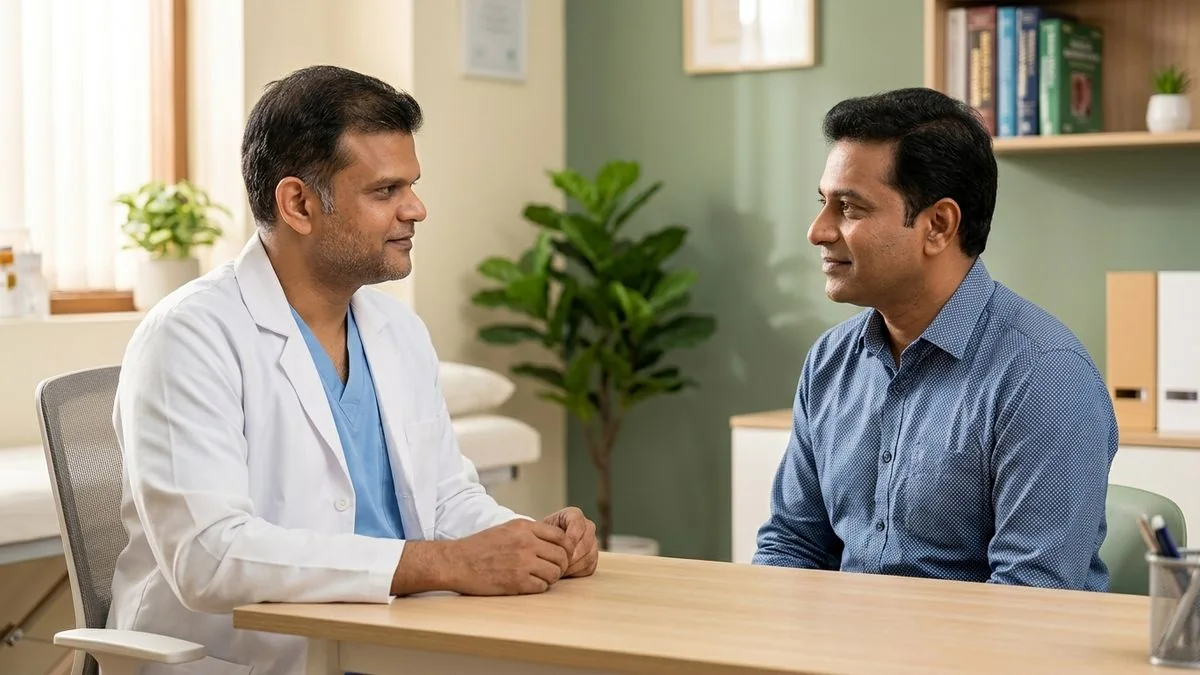
Choosing where and by whom your endoscopic procedure is performed makes a significant difference in your overall healthcare experience. Dr. Babu Elangovan operates on a single-surgeon continuity model. This means that the same surgeon who evaluates your symptoms during your first consultation will personally perform your gastroscopy or colonoscopy, analyze the findings, and guide you through any necessary medical or surgical treatments afterward.
This continuity of care is particularly valuable if your endoscopy reveals a condition that requires advanced surgical expertise. For instance:
- If a large, complex polyp is found that cannot be removed endoscopically, Dr. Babu's extensive background in laparoscopic GI surgery and robotic surgery ensures a seamless transition to minimally invasive removal.
- If diagnostic findings point to complex issues within the liver, pancreas, or bile ducts, his specialized training in HPB surgery and liver transplantation provides you with immediate access to advanced therapeutic options without needing a referral to another specialist.
Consulting Locations in Chennai
To make expert gastrointestinal care highly accessible, Dr. Babu Elangovan consults across several premier medical centers in Chennai:
- Mira Health Care (Adyar): His primary consulting clinic, offering focused, personalized outpatient consultations in a comfortable setting.
- Kauvery Hospital (Alwarpet): A state-of-the-art multi-specialty hospital equipped with advanced endoscopic suites and surgical infrastructure.
- Capstone Clinic (T. Nagar)
- Kumaran Hospital (Kilpauk)
- THANC Hospital (Kilpauk)
For outstation patients residing across Tamil Nadu, South India, or internationally, remote video second opinions can be easily arranged to review diagnostic reports and plan the next steps of care.
Making Your Appointment
If you are experiencing persistent digestive issues, are due for a routine colon cancer screening, or require a second opinion on an existing diagnosis, scheduling an evaluation is the first step toward clarity and relief.
Have questions about your liver, digestive, or HPB condition? Request a consultation with Dr. Babu Elangovan—you are cared for by the same experienced surgeon from your very first diagnosis through recovery. Book an appointment or visit our locations page to find a consulting time that fits your schedule.
References
- American Society for Gastrointestinal Endoscopy (ASGE). "Understanding Upper Endoscopy (Gastroscopy)." Gastrointestinal Endoscopy, 2020. https://www.asge.org
- European Society of Gastrointestinal Endoscopy (ESGE). "Colorectal Cancer Screening and Surveillance: Clinical Guidelines." Endoscopy, 2019. https://www.esge.com
- Rex, Douglas K., et al. "Guidelines for Colorectal Cancer Screening: Recommendations from the U.S. Multi-Society Task Force on Colorectal Cancer." American Journal of Gastroenterology, 2017. https://journals.lww.com/ajg
- World Gastroenterology Organisation (WGO). "Global Guidelines on Endoscopic Practice and Safety." WGO Guidelines, 2021. https://www.worldgastroenterology.org
- National Institute for Health and Care Excellence (NICE). "Referral for Suspected Gastrointestinal Cancers: Clinical Guidance." NICE Guidelines, 2022. https://www.nice.org.uk
Authored by