Pain Under the Right Ribs: Gallbladder, Liver or Something Else?

Need expert consultation? Book an appointment with Dr. Babu Elangovan.
Book AppointmentExperiencing discomfort or sharp pain under right ribs can be an unsettling symptom requiring systematic evaluation. This anatomical region, known clinically as the right upper quadrant (RUQ), houses several vital organs, including the liver, gallbladder, right kidney, and parts of the digestive tract. Identifying whether your symptoms stem from a temporary muscular strain, digestive distress, or a hepatobiliary condition is essential for securing timely medical intervention.
Table of Contents
- What Causes Pain Under the Right Ribs?
- Is Pain Under Right Ribs Related to Gallbladder Disease?
- Can Liver Conditions Cause Discomfort Under the Right Rib Cage?
- What Other Medical Conditions Trigger Right Upper Quadrant Pain?
- When Is Pain Under the Right Ribs a Medical Emergency?
- How Do Doctors Diagnose Pain Under the Right Ribs?
- Surgical Specialist Evaluation in Chennai
- Frequently Asked Questions About Right Subcostal Pain
What Causes Pain Under the Right Ribs?
Anatomy of the Right Upper Quadrant
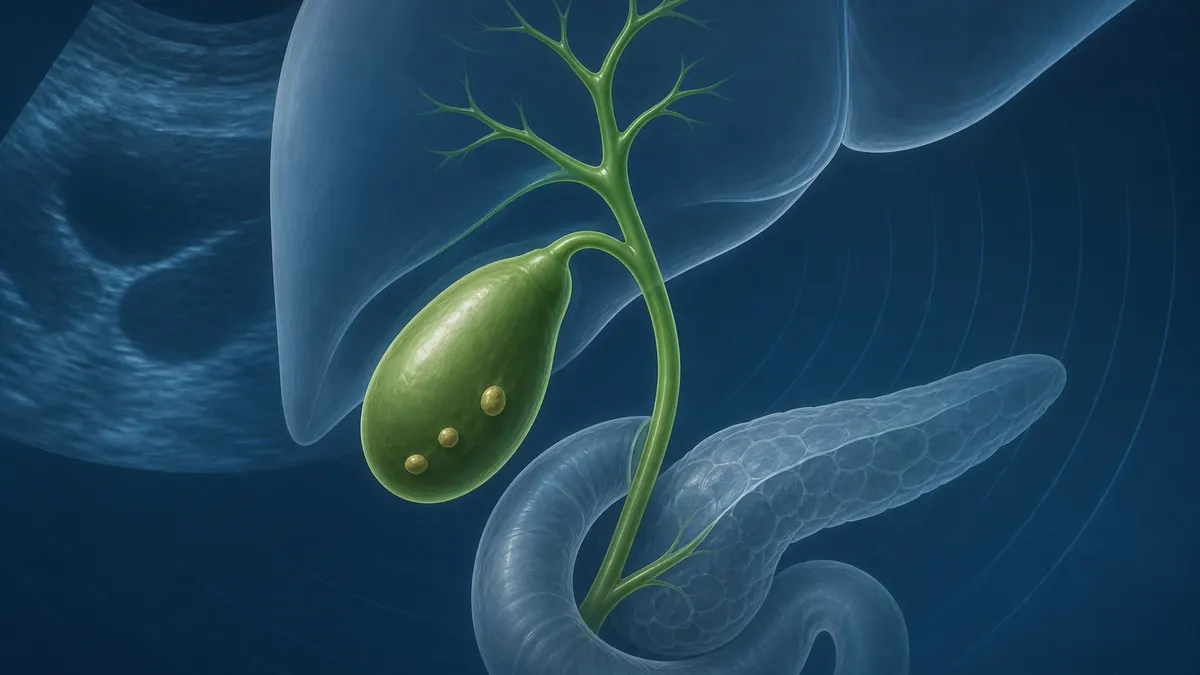
The right upper quadrant of the abdomen sits directly beneath the rib cage, protecting several interconnected organ systems. Deep within this region lies the liver, which occupies the majority of the space beneath the diaphragm. Suspended beneath the liver is the gallbladder, a small sac that stores and concentrates digestive bile.
The biliary tree—a network of narrow ducts—transports bile from the liver and gallbladder into the duodenum, the first part of the small intestine. Positioned deeper toward the back is the upper pole of the right kidney and the adrenal gland. Additionally, the hepatic flexure of the colon passes through this quadrant. When evaluating complex abdominal pain, consulting a surgical gastroenterologist ensures a precise diagnostic breakdown of these structural interactions.
Differentiating Digestive, Musculoskeletal, and Organ-Related Pain
Sensory nerve pathways in the abdominal cavity mean that pain feels different depending on the tissue involved. Visceral pain originates from internal organs like the gallbladder or liver capsule. This type of pain often presents as a dull, poorly localised ache, heavy pressure, or deep cramping.
Somatic pain arises from irritation of the abdominal wall lining or rib framework. It tends to be sharp, localised, and easily triggered by physical movement, coughing, or pressing on the area. Distinguishing between deep visceral organ distress and superficial wall strain is the foundational step in clinical diagnosis.
While many episodes of mild subcostal discomfort resolve on their own, persistent, worsening, or sharp right upper quadrant pain should never be ignored. Accurate diagnosis requires clinical correlation between your symptoms, physical examinations, and diagnostic imaging.
Is Pain Under Right Ribs Related to Gallbladder Disease?
Gallbladder pathology represents one of the most frequent clinical causes of persistent upper right abdominal discomfort.
Biliary Colic vs Acute Cholecystitis
Gallstones (cholelithiasis) develop when bile components harden into crystalline deposits within the gallbladder sac. When a stone temporarily blocks the cystic duct during gallbladder contraction, it causes an episode of biliary colic. Biliary colic produces an intense, aching, or cramping sensation beneath the right rib cage. These episodes typically develop within 30 to 60 minutes after consuming fatty, fried, or heavy meals.
If a gallstone permanently blocks the cystic duct, fluid accumulates inside the gallbladder, leading to bacterial infection and tissue inflammation—a condition called acute cholecystitis. Unlike the intermittent pain of biliary colic, acute cholecystitis causes constant, severe pain under the right ribs. This pain lasts for hours or days and is often accompanied by local tenderness, fever, and nausea.
| Condition | Primary Pain Pattern | Meal Triggered? | Systemic Signs (Fever/Chills) |
|---|---|---|---|
| Biliary Colic | Intermittent (30 mins – 4 hours), cramping | Yes, especially after high-fat foods | Absent |
| Acute Cholecystitis | Constant, sharp, persistent (> 6 hours) | Initiated by meals, but continuous | Present (fever, elevated WBCs) |
| Choledocholithiasis | Deep, constant, severe epigastric/RUQ pain | Variable | Jaundice, dark urine, pale stools |
Why Gallstone Pain Spreads to the Back and Right Shoulder
Pain from the gallbladder does not always stay confined to the abdomen. The sensory nerve fibres supplying the gallbladder share spinal chord pathways (specifically the phrenic and splanchnic nerve networks) with the diaphragm and right shoulder region.
As inflammation irritates the nearby diaphragmatic peritoneum, nerve signals travel along shared spinal pathways. This mechanism, known as referred pain, causes patients to experience sharp or aching sensations around the lower border of the right shoulder blade, the upper back, or the tip of the right shoulder. Recognizing shoulder pain alongside abdominal tightness is a classic marker of underlying biliary irritation.
Can Liver Conditions Cause Discomfort Under the Right Rib Cage?
Because the liver occupies most of the right upper quadrant, hepatic tissue changes frequently register as subcostal pressure or aching.
Fatty Liver Disease and Liver Inflammation
The liver tissue itself lacks direct pain receptors; however, the fibrous sac surrounding it—known as Glisson's capsule—is rich in sensory nerve endings. When the liver becomes inflamed or swollen, it stretches this outer capsule, producing a continuous, dull ache, heavy pressure, or feeling of fullness under the right rib cage.
Metabolic Dysfunction-Associated Steatotic Liver Disease (MASLD, formerly NAFLD) and viral hepatitis are common causes of capsule distension. As fat deposits build up within liver cells or viral infections cause tissue inflammation, the organ gradually enlarges. Patients often report an uncomfortable fullness or dragging sensation that worsens after prolonged standing or bending over.
Liver Abscess: Symptoms and Clinical Significance
A liver abscess is a localised collection of pus within the liver tissue, caused by bacterial (pyogenic) or parasitic (amoebic) infections. Liver abscesses are a notable clinical concern in tropical regions.
Unlike the slow ache of fatty liver disease, a liver abscess usually presents with rapid-onset right upper quadrant pain accompanied by high fevers, night chills, and severe fatigue. Direct pressure over the right lower ribs often triggers sharp, localised pain. Prompt medical identification and targeted drainage or antimicrobial therapy are necessary to clear the infection and prevent complications.
What Other Medical Conditions Trigger Right Upper Quadrant Pain?
Not all discomfort beneath the right rib cage stems directly from the gallbladder or liver; surrounding organ systems can produce remarkably similar symptoms.
Kidney Stones and Urinary Tract Infections
The right kidney sits behind the abdominal lining, just beneath the lower rib cage toward the back. A kidney stone lodged in the renal pelvis or upper ureter causes intense pain known as renal colic.
Renal pain differs from digestive pain in its movement and character:
- It originates in the flank or upper back, just under the posterior rib margin.
- It radiates downward toward the lower abdomen, groin, or inner thigh.
- It occurs in severe waves, making it difficult to find a comfortable position.
- It is frequently accompanied by visible blood in the urine (hematuria), painful urination, and sudden nausea.
Pyelonephritis, a severe bacterial kidney infection, causes persistent flank pain accompanied by high fevers, chills, and systemic weakness.
Musculoskeletal Strain vs Pulmonary Causes
The thoracic cage and abdominal wall consist of intercostal muscles, cartilage, and rib bones that can become inflamed or strained:
- Costochondritis: Inflammation of the cartilage connecting the ribs to the breastbone or upper chest wall can mimic deep organ pain. Costochondritis pain worsens with deep breaths, coughing, or direct physical pressure over the chest joint.
- Intercostal Muscle Strain: Twisting, heavy lifting, or intense coughing spells can strain the muscles between the ribs, creating localised tenderness that sharpens with movement.
- Pulmonary Conditions: Conditions affecting the base of the right lung—such as lower lobe pneumonia, pleurisy, or pulmonary embolism—can irritate the adjacent diaphragm. This produces sharp, stabbing pain under the right ribs that spikes dramatically during deep inhalation (pleuritic pain) and is often accompanied by short breaths or a cough.
Upper gastrointestinal conditions, such as peptic ulcer disease or severe acid reflux, can also radiate upward into the subcostal region. For patients experiencing severe upper GI symptoms linked to structural reflux, a formal surgical anti-reflux evaluation may be recommended by a specialist. Additionally, acute lower right pain that spreads toward the lower abdomen may indicate appendiceal involvement, requiring laparoscopic appendix surgery if appendicitis is confirmed.
When Is Pain Under the Right Ribs a Medical Emergency?
While occasional mild digestive discomfort can be managed routinely, specific symptoms indicate acute internal organ distress or severe infection requiring urgent medical intervention.
Critical Red-Flag Symptoms
You should seek immediate emergency medical care if pain under your right ribs is accompanied by any of the following warning signs:
- Sudden, unbearable pain that makes sitting still or finding comfort impossible.
- High fever exceeding 38.5 °C (101.3 °F) accompanied by uncontrollable shivering or rigors.
- Persistent, violent vomiting that prevents fluid retention and leads to dehydration.
- Shortness of breath, dizziness, confusion, or a sudden drop in blood pressure.
- A rigid, board-like abdomen that is extremely painful to the touch.
In cases involving intestinal blockages or severe abdominal perforations, immediate emergency GI surgical intervention is critical to stabilise the patient and treat the underlying cause.
Recognising Signs of Jaundice and Severe Infection
Jaundice is a major clinical red flag indicating biliary obstruction or acute liver dysfunction. It occurs when bilirubin—a yellow pigment produced by the breakdown of red blood cells—accumulates in the bloodstream instead of draining freely through the bile ducts into the intestines.
- Yellowing of the Sclera and Skin: The whites of the eyes show a yellowish tint first, followed by the skin.
- Dark, Tea-Colored Urine: Excess bilirubin filtered by the kidneys turns the urine dark brown or tea-colored.
- Pale, Clay-Colored Stools: Without bile entering the digestive tract, stools lose their normal brown color and appear pale grey or clay-colored.
- Generalized Itching (Pruritus): Bile salts accumulating beneath the skin trigger intense, persistent itching.
If right subcostal pain occurs alongside jaundice and fever—a triad known clinically as Charcot's triad—it points toward acute cholangitis, a life-threatening infection of the bile ducts that requires urgent hospital admission.
How Do Doctors Diagnose Pain Under the Right Ribs?
A structured diagnostic approach ensures an accurate diagnosis, avoiding unnecessary treatments while quickly identifying conditions that require intervention.
Initial Diagnostic Investigations (LFT and Blood Markers)
Your specialist consultation begins with a physical examination, including targeted abdominal palpation. The physician will test for Murphy's sign—a clinical test where deep breath intake catches abruptly due to pain when the examiner presses beneath the right rib margin, strongly suggesting acute gallbladder inflammation.
Blood tests provide essential information about organ function and inflammation:
- Liver Function Tests (LFT): Measure serum enzymes including Alanine Transaminase (ALT), Aspartate Transaminase (AST), Alkaline Phosphatase (ALP), Gamma-Glutamyl Transferase (GGT), and Bilirubin levels. Elevated ALP and bilirubin suggest biliary duct obstruction, while high ALT and AST point to primary liver cell inflammation.
- Complete Blood Count (CBC): Checks for elevated white blood cell counts (leukocytosis), confirming active systemic infection or inflammation.
- Inflammatory and Pancreatic Markers: Serum C-Reactive Protein (CRP) quantifies inflammation, while Serum Amylase and Lipase check for secondary pancreatic involvement.
Role of Abdominal Ultrasound and Specialised Imaging
Ultrasound of the abdomen is the gold standard, non-invasive first line of imaging for right upper quadrant pain.
Ultrasound uses high-frequency sound waves to capture real-time images of internal structures without ionizing radiation. It excels at detecting gallstones as small as two millimetres, measuring gallbladder wall thickening, assessing fluid accumulation, and evaluating the diameter of the common bile duct.
When ultrasound findings require further clarification, additional advanced imaging techniques may be used:
- Contrast-Enhanced Computed Tomography (CECT): Provides detailed cross-sectional views of solid organs, helping evaluate liver masses, complex abscesses, bowel perforation, or acute pancreatitis.
- Magnetic Resonance Cholangiopancreatography (MRCP): A non-invasive MRI technique that visualizes the biliary tree and pancreatic ducts to locate stones or strictures.
- FibroScan (Transient Elastography): Measures liver stiffness to evaluate the degree of fibrosis or fatty liver infiltration without a needle biopsy.
- Endoscopic Retrograde Cholangiopancreatography (ERCP): A specialised endoscopic procedure used to remove stones stuck inside the main bile duct.
Gallstones are the commonest surgical cause; the gallstones guide, do all gallstones need surgery and the gallbladder surgery guide explain the options. For liver causes, see fatty liver, liver abscess, what causes jaundice and how to read your LFT.
Surgical Specialist Evaluation in Chennai
When conservative management is insufficient or diagnostic workups confirm structural disease within the hepatobiliary tree, expert surgical evaluation is essential.
Expert HPB and Gastrointestinal Surgical Care
Dr. Babu Elangovan, Surgical Gastroenterologist (MCh), sees patients at Mira Health Care, Adyar (Monday to Saturday, 4 to 7 PM), and also at Kauvery Hospital (Alwarpet), Capstone Clinic (T. Nagar) and Kumaran and THANC Hospitals (Kilpauk).
For patients diagnosed with symptomatic gallstones, acute cholecystitis, or complex biliary disorders, Dr. Elangovan provides comprehensive surgical evaluations focused on long-term health outcomes. Advanced minimal-access techniques—such as laparoscopic or robotic cholecystectomy—allow for precise organ management, smaller surgical incisions, less post-operative pain, and faster return to normal daily routines. Patients exploring treatment options can review details on gallbladder stone surgery options, and consult the post-cholecystectomy recovery guide for recovery timelines.
Consultation Locations and Direct Appointment Booking
Surgical consultation, diagnostic reviews, and long-term gastrointestinal care are provided across these locations in Chennai:
- Mira Health Care (Adyar)
- Kauvery Hospital (Alwarpet)
- Capstone Clinic (T. Nagar)
- Kumaran Hospital (Kilpauk)
- THANC Hospital (Kilpauk)
To streamline patient access across all hospital centres, single-point direct appointment scheduling is maintained exclusively through the practice's main clinical booking line.
- Direct Booking Line: +91 94440 43478
- Online Booking Portal: You can also schedule a specialist consultation online to select your preferred hospital centre and appointment time.
Written & medically reviewed by