Life After Gallbladder Removal Surgery: What to Expect
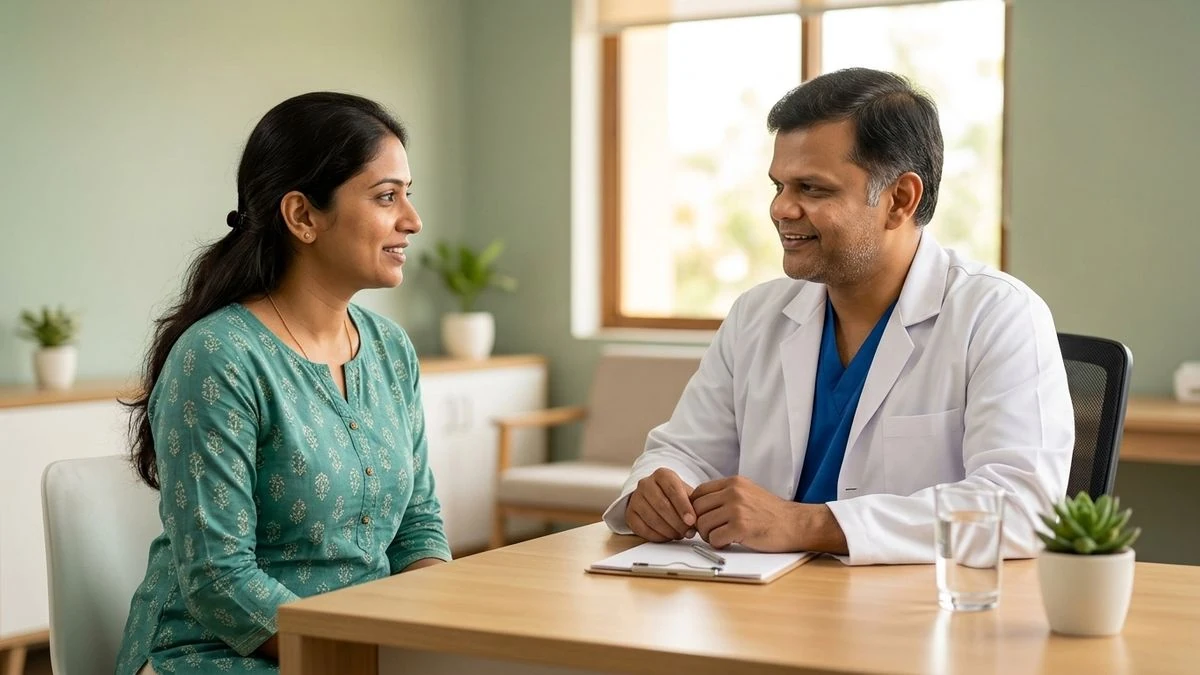
Need expert consultation? Book an appointment with Dr. Babu Elangovan.
Book AppointmentUndergoing surgery to remove your gallbladder can raise many questions about how your digestive system will function in the future. If you or a loved one are preparing for or recovering from this procedure, understanding life after gallbladder removal what to expect can help ease your anxieties and ensure a smooth recovery.
While the gallbladder plays a helpful role in digestion, it is not an essential organ. Your body is fully capable of adapting to its removal, allowing you to live a healthy, active life.
With over 20 years of clinical and surgical experience, Dr. Babu Elangovan, a leading Surgical Gastroenterologist & Liver Transplant Surgeon in Chennai, provides comprehensive, single-surgeon care from your initial consultation through to your complete recovery. Here, we discuss the physiological changes, dietary adaptations, and recovery milestones that define life after gallbladder removal.
Understanding the Gallbladder and Cholecystectomy
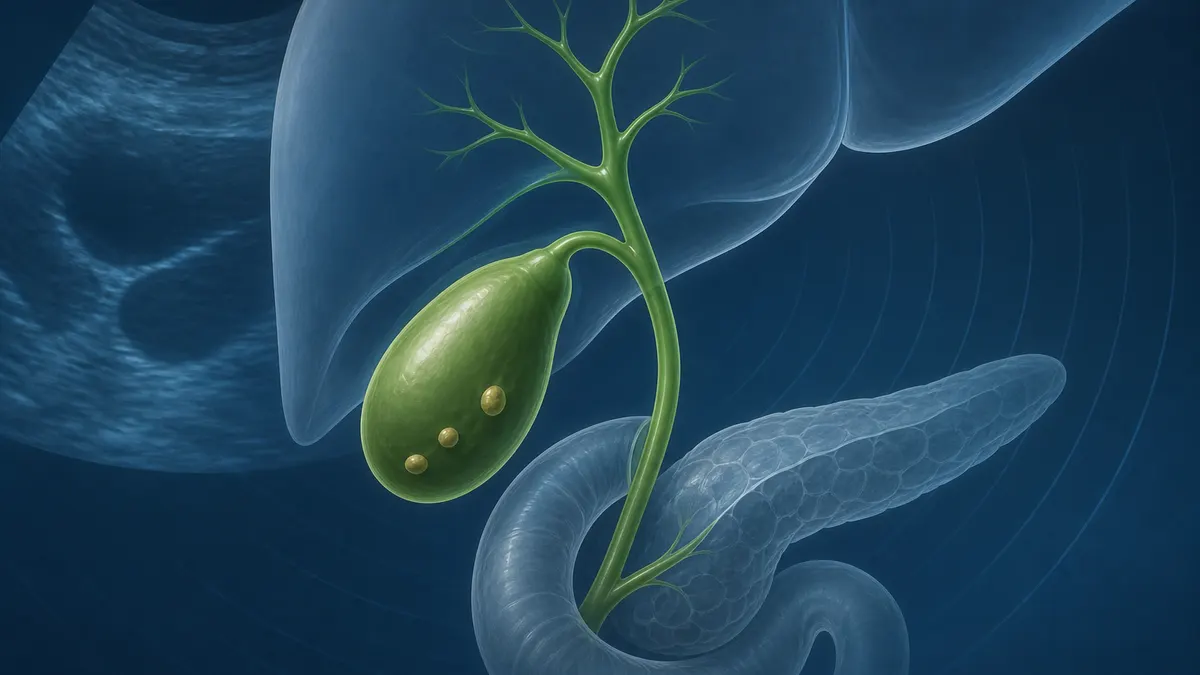
To understand how your body functions after surgery, it helps to look at the anatomy of the biliary system. The gallbladder is a small organ positioned just beneath the liver. It acts as a storage reservoir for bile, a digestive fluid produced continuously by the liver to help break down dietary fats.
When you eat a meal—particularly one high in fat—the gallbladder contracts, releasing concentrated bile through the bile ducts into the small intestine. When gallstones block these ducts or cause chronic inflammation (cholecystitis), surgical removal of the gallbladder (cholecystectomy) becomes necessary. Some patients instead need removal for gallbladder polyps that meet size or growth criteria — the recovery pathway below is the same.
If you are experiencing persistent abdominal pain, bloating, or have been diagnosed with gallstones, you can learn more about surgical options by visiting the Gallbladder & Laparoscopic GI Surgery specialty page, or reviewing the symptoms, cost and recovery details for gallbladder stone surgery in Chennai.
How the Body Adapts Without a Gallbladder
Once the gallbladder is removed, your liver does not stop producing bile. Instead of being stored and concentrated, bile now flows continuously from the liver directly into the common bile duct and empties into the small intestine.
Because this bile is less concentrated and drips constantly rather than releasing in a coordinated surge during meals, your digestive tract needs some time to adapt to this new flow. This physiological shift is the primary reason why some patients experience temporary changes in their digestion immediately after surgery.
Life After Gallbladder Removal: What to Expect in the Short Term
The immediate post-operative phase is focused on wound healing, pain management, and allowing your digestive system to settle.
The First 24 to 48 Hours
Most gallbladder removals are performed using minimally invasive techniques, such as laparoscopic or robotic surgery. This involves making three to four small keyhole incisions in the abdomen.
- Waking Up from Anesthesia: You may feel slightly groggy, nauseous, or experience a sore throat from the breathing tube. These symptoms are common and usually resolve within a day.
- Abdominal and Shoulder Pain: It is normal to feel mild to moderate soreness around the incision sites. Additionally, many patients experience pain in their right shoulder. This is caused by the carbon dioxide gas used to inflate the abdomen during laparoscopic surgery, which can irritate the diaphragmatic nerve. Walking gently helps your body absorb and eliminate this gas.
- Mobilisation: Dr. Babu Elangovan encourages patients to stand up and walk short distances within a few hours of surgery. Early movement promotes circulation, reduces the risk of blood clots, and helps restore normal bowel function.
The First Week Post-Surgery
During the first week at home, your focus should be on rest and gradual recovery.
- Incision Care: Keep your keyhole wounds clean and dry. Follow the specific washing instructions provided by Dr. Babu's team. Avoid soaking in tubs or swimming until the incisions have fully healed.
- Physical Activity: You can perform light activities like walking and climbing stairs slowly. Avoid heavy lifting (typically anything over 5 kilograms) and strenuous exercise for at least four to six weeks to prevent the development of an incisional hernia.
- Bowel Habits: It is common to experience temporary irregularities in your bowel movements. Some patients experience mild diarrhea due to the continuous flow of bile, while others may experience constipation from pain medications and reduced physical activity.
Life After Gallbladder Removal: What to Expect for Your Diet
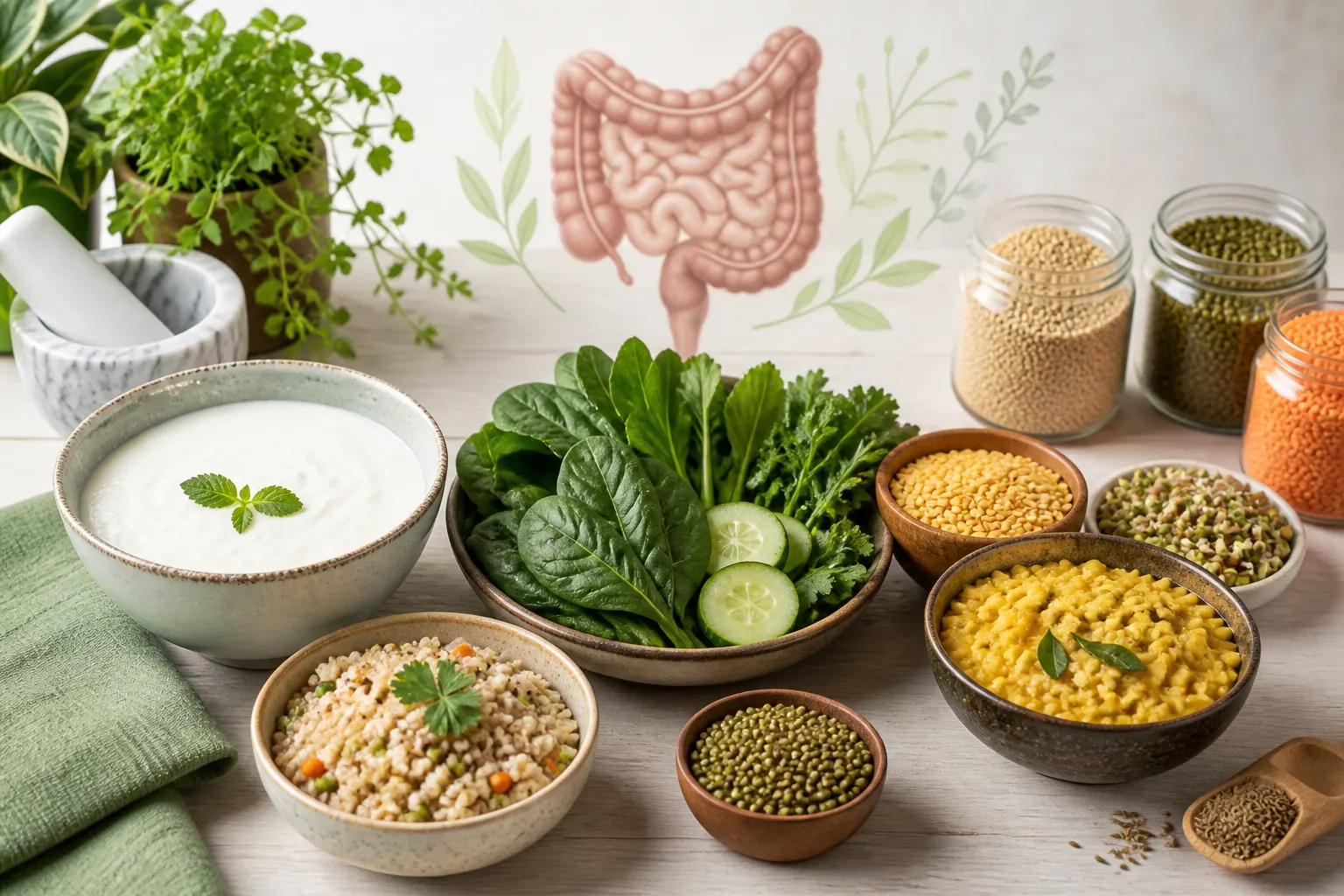
Dietary adjustment is one of the most critical aspects of recovery. Because your digestive system no longer has a reservoir for bile, consuming large amounts of fat suddenly can overwhelm your intestines, leading to indigestion, bloating, and loose stools.
Phased Dietary Recovery Plan
Gradually reintroducing foods allows your digestive tract to adapt without unnecessary discomfort.
Phase 1: Days 1 to 3 (Immediate Post-Op)
Focus on clear liquids and highly digestible, low-fat soft foods.
- What to eat: Clear broths, plain rice, applesauce, toast, oatmeal, and boiled bananas.
- What to avoid: Dairy products, fried foods, spices, and carbonated beverages.
Phase 2: Days 4 to 14 (Transition Phase)
Slowly introduce solid foods while keeping fat content low.
- What to eat: Skinless chicken breast, fish (steamed or baked), plain yogurt, soft vegetables, and lentils.
- What to avoid: Butter, cheese, heavy oils, red meat, and highly processed snacks.
Phase 3: Weeks 3 to 6 (Gradual Reintroduction)
Begin introducing moderate amounts of healthy fats and high-fiber foods to test your tolerance.
- What to eat: Whole grains, raw vegetables, small portions of avocado or nuts, and eggs.
- What to avoid: Excessively greasy foods or large, heavy meals in a single sitting.
Phase 4: Beyond Month 1 (Normalisation)
By this stage, the vast majority of patients can return to their regular pre-surgery diet. Your liver and intestines will have adapted to the continuous bile flow.
| Food Category | Recommended (First 4 Weeks) | Limit or Avoid (First 4 Weeks) |
|---|---|---|
| Proteins | Skinless poultry, white fish, tofu, egg whites | Fatty cuts of beef, pork, lamb, fried chicken |
| Grains | Oatmeal, white or brown rice, whole-wheat bread | Pastries, croissants, high-fat baked goods |
| Dairy | Fat-free yogurt, low-fat cottage cheese | Whole milk, heavy cream, butter, hard cheeses |
| Vegetables | Steamed carrots, zucchini, potatoes (no skin initially) | Raw broccoli, cabbage, cauliflower (can cause gas) |
| Fats & Oils | Minimal olive oil, small amounts of avocado | Lard, vegetable oil, deep-frying oils, mayonnaise |
Managing Post-Cholecystectomy Syndrome (PCS)
While most patients recover without long-term issues, a small percentage may experience persistent digestive symptoms known as Post-Cholecystectomy Syndrome (PCS).
Symptoms of PCS
PCS can manifest weeks, months, or even years after gallbladder removal. Common symptoms include:
- Chronic diarrhea or loose, urgent stools (often caused by excess bile acid entering the colon)
- Persistent bloating, gas, and flatulence
- Dull, aching pain in the upper right quadrant of the abdomen
- Nausea or indigestion after meals
Underlying Causes and Management
If you experience these symptoms, it does not mean your surgery was unsuccessful. Often, it is a sign that the bile ducts or the sphincter of Oddi (the valve controlling bile flow into the intestine) are adjusting, or that there is an underlying digestive issue such as irritable bowel syndrome (IBS) or small intestinal bacterial overgrowth (SIBO).
In practice, Dr. Babu Elangovan evaluates these symptoms carefully. Management may include:
- Bile Acid Sequestrants: Medications that bind to excess bile in the colon, effectively reducing diarrhea.
- Dietary Adjustments: Increasing soluble fiber (such as oats and psyllium husk) to absorb excess fluid in the gut.
- Diagnostic Evaluation: If symptoms persist, Dr. Babu may recommend a diagnostic GI Endoscopy or imaging studies to rule out retained stones in the bile ducts or other pancreaticobiliary issues. For specialized care of the bile ducts and pancreas, you can explore the Pancreatic & Biliary Care services.
Life After Gallbladder Removal: What to Expect Long-Term
Once your body has fully recovered, life after gallbladder removal is typically excellent. Studies show that removing a diseased gallbladder significantly improves quality of life by eliminating chronic pain, nausea, and the risk of severe complications like gallstone pancreatitis or acute cholecystitis.
Long-Term Health and Wellness Tips
To support your digestive and overall health in the years following your surgery, consider the following lifestyle practices:
- Eat Smaller, More Frequent Meals: Eating five small meals instead of three large, heavy ones prevents your digestive tract from being overwhelmed by fat.
- Maintain a Fiber-Rich Diet: Soluble fiber helps regulate bowel movements and binds to excess bile acids, protecting your colon lining.
- Stay Hydrated: Drinking plenty of water supports overall digestion and kidney function.
- Monitor Your Weight: Maintaining a healthy weight reduces stress on your liver and digestive organs. If you struggle with severe obesity or metabolic issues, specialized guidance is available through the Bariatric & Metabolic Surgery program.
- Regular Physical Activity: Regular exercise promotes healthy bowel motility and supports metabolic health.
Comparison of Recovery Timelines
The recovery experience can vary depending on whether your surgery was performed laparoscopically or through an open approach. The table below outlines general expectations for both methods.
| Milestone | Laparoscopic Cholecystectomy | Open Cholecystectomy |
|---|---|---|
| Hospital Stay | Usually 24 hours (often day-care) | 3 to 5 days |
| Incision Size | 3 to 4 tiny keyholes (0.5 to 1.5 cm) | 1 single large incision (8 to 15 cm) |
| Return to Light Work | 5 to 7 days | 2 to 3 weeks |
| Full Recovery / Exercise | 3 to 4 weeks | 6 to 8 weeks |
| Post-Operative Pain | Mild to moderate, resolves quickly | Moderate to severe, requires longer pain management |
Note: The choice of surgical approach depends on your specific medical history, the severity of gallbladder inflammation, and anatomical considerations. Dr. Babu Elangovan prioritises minimally invasive techniques whenever safe and appropriate.
When to Contact Your Surgeon Immediately
While complications are rare after a routine gallbladder removal, you should remain vigilant during your recovery. Contact Dr. Babu Elangovan’s team or seek immediate medical attention if you experience any of the following warning signs:
- Fever or Chills: A temperature above 101°F (38.3°C) can indicate an infection.
- Jaundice: Yellowing of your skin or the whites of your eyes, which may suggest a blockage in your bile ducts.
- Severe, Worsening Abdominal Pain: Pain that is not relieved by prescribed medications.
- Persistent Nausea and Vomiting: Inability to keep liquids down for more than 12 hours.
- Incision Complications: Excessive redness, swelling, warmth, or foul-smelling drainage from your wound sites.
- Dark Urine or Pale Stools: Changes in the color of your waste can indicate a bile flow issue.
Why Choose Dr. Babu Elangovan for Your Care?
When facing gallbladder surgery, having a highly trained specialist manage your care makes a significant difference in your recovery and peace of mind.
Dr. Babu Elangovan is a highly accomplished Surgical Gastroenterologist & Liver Transplant Surgeon with over two decades of experience. His advanced training includes an MCh in Surgical Gastroenterology, a Fellowship in Minimal Access Surgery (FMAS), and specialized training in Da Vinci robotic surgery. Having been involved in over 230 liver transplants and numerous complex hepato-pancreato-biliary (HPB) surgeries, he possesses a deep understanding of the biliary tract and digestive physiology.
The Single-Surgeon Care Model
Unlike multi-surgeon teams where you may see different doctors at each visit, Dr. Babu Elangovan operates on a single-surgeon continuity model. This means:
- He personally conducts your initial consultation and diagnostic workup.
- He performs your surgery using precise, minimally invasive techniques.
- He monitors your recovery and guides your dietary transition during post-operative follow-ups.
This continuity ensures personalized care, deep clinical familiarity with your case, and clear, consistent communication.
Consultation and Consulting Locations
Dr. Babu Elangovan provides expert surgical consultations and post-operative care at premier medical centers across Chennai:
- Mira Health Care (Adyar): Primary consulting clinic, offering a comfortable environment for initial evaluations and follow-up visits.
- Kauvery Hospital (Alwarpet): State-of-the-art tertiary care facility equipped for advanced laparoscopic and robotic procedures.
- Capstone Clinic (T. Nagar)
- Kumaran Hospital (Kilpauk)
- THANC Hospital (Kilpauk)
If you are located outside Chennai, across Tamil Nadu, or internationally, remote video second opinions are available to help you discuss your diagnosis and plan your treatment.
If you are experiencing symptoms of gallbladder disease or are planning your recovery, early expert assessment matters. Request a consultation with Dr. Babu Elangovan at his Chennai consulting locations.
For personalised advice and expert care, consult Dr. Babu Elangovan — Surgical Gastroenterologist & Liver Transplant Surgeon, Chennai. Book an appointment or visit our locations page to view clinic timings.
References
- Society of American Gastrointestinal and Endoscopic Surgeons (SAGES). "Guidelines for the Clinical Application of Laparoscopic Cholecystectomy." SAGES Guidelines, 2021. https://www.sages.org
- Coccolini, F., et al. "Open versus laparoscopic cholecystectomy in acute cholecystitis: systematic review and meta-analysis." HPB, 2015.
- Altieri, M. S., et al. "Post-cholecystectomy syndrome: Single-center experience and systematic review of the literature." Journal of Gastrointestinal Surgery, 2018.
- National Institute for Health and Care Excellence (NICE). "Gallstone disease: diagnosis and management." NICE Guidelines, 2014 (Updated 2021). https://www.nice.org.uk
- European Association for the Study of the Liver (EASL). "Clinical Practice Guidelines on the prevention, diagnosis and treatment of gallstones." Journal of Hepatology, 2016.
Authored by