Do All Gallstones Need Surgery? What You Need to Know

Need expert consultation? Book an appointment with Dr. Babu Elangovan.
Book AppointmentFinding out you have gallstones can be an unsettling experience. Many patients discover they have these small, pebble-like deposits entirely by accident during an ultrasound scan for an unrelated health checkup. The immediate question that arises is: do all gallstones need surgery?
The short answer is no. Not everyone with gallstones requires an operation. However, the decision to undergo surgery depends on several critical clinical factors, including whether the stones are causing symptoms, their size, and your overall health profile.
As a dedicated surgical gastroenterologist with over two decades of clinical and operative experience, I focus on helping patients make informed, evidence-based decisions about their digestive health. In this guide, we will explore the science behind gallstones, distinguish between "silent" and active stones, and outline when surgical intervention is truly necessary.
Understanding Gallstones: What Are They and Why Do They Form?
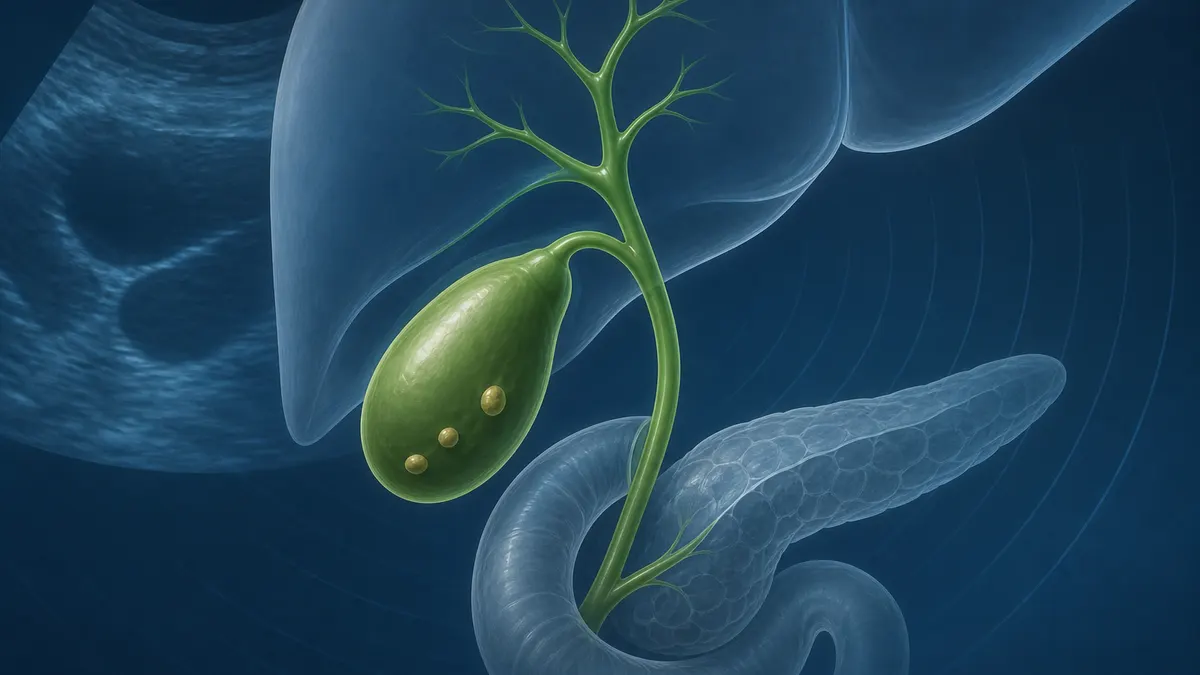
The gallbladder is a small, pear-shaped organ located just under your liver on the right side of your abdomen. Its primary job is to store and concentrate bile, a digestive fluid produced by the liver that helps break down fats.
When you eat, the gallbladder contracts, squeezing bile through the bile ducts and into the small intestine. However, if the chemical composition of this bile becomes unbalanced, solid particles begin to form. Over time, these particles can grow into gallstones (cholelithiasis).
Gallstones generally fall into two main categories:
- Cholesterol Gallstones: These are the most common type, accounting for the vast majority of cases. They are typically yellow-green and form when the liver excretes more cholesterol than your bile can dissolve.
- Pigment Gallstones: These are smaller, dark brown or black stones that develop when your bile contains too much bilirubin—a chemical created when the body breaks down red blood cells. This is more common in patients with liver cirrhosis, biliary tract infections, or hereditary blood disorders.
Why Do They Develop?
While anyone can develop gallstones, certain factors increase the risk:
- Gender and Hormones: Women are more susceptible, particularly due to pregnancy, hormone replacement therapy, or oral contraceptives, which raise estrogen levels and increase cholesterol saturation in bile.
- Metabolic Factors: Rapid weight loss, obesity, and a sedentary lifestyle can alter bile chemistry.
- Age: The risk naturally increases as we age, particularly after forty.
- Underlying Conditions: Diabetes, blood disorders, and chronic liver conditions can predispose individuals to stone formation.
If you are experiencing symptoms associated with these risk factors, an early evaluation is crucial. You can request a consultation with Dr. Babu Elangovan at his Chennai consulting locations to discuss your diagnostic options.
Symptomatic vs. Asymptomatic (Silent) Gallstones
In clinical practice, we divide gallstones into two distinct categories based on how they behave: asymptomatic (silent) and symptomatic. This distinction is the single most important factor in determining whether you need surgery.
Asymptomatic (Silent) Gallstones
Nearly 80% of people with gallstones have "silent" stones. These stones sit quietly inside the gallbladder without blocking any ducts or causing inflammation. They do not cause pain, nausea, or digestive distress.
For the vast majority of these patients, the standard medical recommendation is watchful waiting. This means we do not operate; instead, we monitor your condition and educate you on what symptoms to watch out for.
Symptomatic Gallstones
When a gallstone moves and temporarily blocks the cystic duct—the narrow tube draining the gallbladder—the organ contracts against the obstruction. This causes a distinct pattern of pain known as biliary colic.
The classic symptoms of active gallstones include:
- Sudden, intense pain in the upper right portion of your abdomen, which may radiate to your right shoulder or between your shoulder blades.
- Nausea and vomiting that often accompany the pain episodes.
- Indigestion, bloating, and intolerance to fatty foods.
- Pain episodes that occur after heavy meals, frequently lasting anywhere from thirty minutes to several hours before gradually subsiding.
If you experience these symptoms, your gallstones have transitioned from silent to active. Once symptoms begin, they are highly likely to recur and can lead to acute complications if left unaddressed.
Do All Gallstones Need Surgery? The Clinical Criteria
To answer the primary question: no, not all gallstones need surgery. If your gallstones are completely silent, the risk of undergoing an unnecessary surgery outweighs the very low risk of developing sudden complications.
However, if you have experienced even one episode of true biliary colic, the clinical guidelines change. The likelihood of experiencing another painful episode within a year is high, and each subsequent episode carries a risk of severe biliary complications.
The table below outlines the standard management approaches based on clinical presentation:
| Patient Presentation | Typical Symptoms | Recommended Management |
|---|---|---|
| Asymptomatic (Silent) Gallstones | None; discovered incidentally on ultrasound. | Active surveillance (watchful waiting) and dietary modification. |
| Symptomatic Gallstones (Biliary Colic) | Recurrent upper right abdominal pain, nausea after fatty meals. | Scheduled laparoscopic gallbladder removal. |
| Acute Cholecystitis (Inflamed Gallbladder) | Constant, severe pain, fever, abdominal tenderness, elevated white blood cell count. | Urgent hospital admission and prompt surgical intervention. |
| Common Bile Duct Stones (Choledocholithiasis) | Jaundice (yellowing of skin/eyes), dark urine, pale stools, severe pain. | Endoscopic clearance (ERCP) followed by gallbladder removal. |
| Gallstone Pancreatitis | Severe, boring pain radiating to the back, elevated pancreatic enzymes. | Initial medical stabilization followed by gallbladder surgery during the same admission. |
If you are unsure which category your condition falls into, an expert clinical assessment can provide clarity. Consider scheduling an evaluation for Laparoscopic & Gallbladder GI Surgery to review your scans and symptoms.
When "Silent" Gallstones Might Require Surgery
While watchful waiting is the rule for asymptomatic stones, there are specific, well-defined clinical exceptions where we recommend proactive surgery even if you do not feel any pain.
These exceptions are based on a high statistical risk of future complications or gallbladder malignancy:
- Porcelain Gallbladder: This is a condition where the gallbladder wall becomes calcified and brittle due to chronic inflammation. It is associated with an increased risk of gallbladder cancer, making surgical removal highly advisable.
- Very Large Gallstones: Stones larger than 3 centimeters in diameter are more likely to cause chronic irritation to the gallbladder wall and are associated with a higher risk of complications.
- Anatomical Anomalies: Patients with an abnormally structured biliary tract or those with gallbladder polyps larger than 10 millimeters alongside gallstones should consider surgery. For the full polyp size ladder and watch-versus-operate logic (not only when stones coexist), see gallbladder polyps: do they need surgery.
- Undergoing Bariatric Surgery: Patients with silent gallstones who are planning major weight-loss surgery may benefit from concurrent gallbladder removal, as rapid weight loss post-surgery frequently triggers severe symptomatic gallstone episodes.
- Chronic Hemolytic Anemia: Conditions like sickle cell anemia or hereditary spherocytosis cause high red blood cell turnover, leading to continuous pigment stone formation and a very high rate of infectious complications.
- Geographic or Occupational Isolation: If you travel frequently to remote regions or work in areas without access to modern surgical care, removing silent stones proactively can prevent a medical emergency in an isolated location.
Risks of Ignoring Symptomatic Gallstones
Choosing to ignore recurrent gallbladder pain is a risky strategy. When symptomatic gallstones are left untreated, they can lead to acute, complex conditions that require emergency medical care.
1. Acute Cholecystitis
If a gallstone becomes permanently lodged in the neck of the gallbladder or the cystic duct, bile becomes trapped. This leads to chemical irritation, bacterial infection, and severe inflammation of the gallbladder wall. Symptoms include constant, excruciating pain, high fever, and chills.
2. Choledocholithiasis (Bile Duct Stones)
Stones can slip out of the gallbladder and become stuck in the common bile duct—the main channel carrying bile from the liver to the intestine. This blocks the flow of bile from the entire liver, leading to obstructive jaundice (yellowing of the eyes and skin), dark tea-colored urine, and pale, clay-colored stools.
3. Gallstone Pancreatitis
The common bile duct and the pancreatic duct join together before entering the small intestine. If a migrating gallstone blocks this shared opening, digestive enzymes can back up into the pancreas, triggering acute inflammation. Gallstone pancreatitis is a serious, painful condition that requires immediate hospitalization and intensive care.
4. Acute Cholangitis
When a stone blocks the common bile duct, the stagnant bile above the blockage can quickly become infected. This bacterial infection, known as cholangitis, can rapidly spread into the bloodstream, causing sepsis—a life-threatening medical emergency.
If you are experiencing any warning signs of these complications, early assessment matters. Request a consultation with Dr. Babu Elangovan at his Chennai consulting locations to protect your health before complications arise.
Non-Surgical Alternatives: Do They Work?
Many patients ask if they can avoid surgery by using medications, dietary changes, or alternative therapies to dissolve or flush out their gallstones. Let us examine what medical science says about these options.
Oral Dissolution Therapy
Medications such as ursodeoxycholic acid can occasionally dissolve small, non-calcified cholesterol gallstones. However, this approach has significant limitations:
- It only works for a very specific subtype of small cholesterol stones.
- The treatment often takes months or even years to show results.
- The recurrence rate is extremely high. Once you stop taking the medication, gallstones almost always return because the underlying chemical imbalance in your liver's bile production remains unchanged.
Gallbladder "Flushes" and Alternative Cleanses
You may find home remedies online claiming to flush out gallstones using olive oil, lemon juice, or herbal mixtures. From a surgical and physiological standpoint, these flushes are highly discouraged.
The "stones" passed in the stool during these flushes are actually soft complexes formed by the olive oil and acidic juice reacting in your digestive tract—they are not real gallstones. More importantly, forcing the gallbladder to contract vigorously with a high-fat mixture like olive oil can push a real stone directly into the bile duct, causing an acute blockage and triggering emergency pancreatitis.
Dietary Changes
While a low-fat diet can reduce the frequency of gallbladder contractions and temporarily lower the risk of pain episodes, dietary changes cannot dissolve existing gallstones. A healthy diet is an excellent supportive measure, but it is not a permanent cure for symptomatic gallstones.
What to Expect If You Need Surgery: Laparoscopic Cholecystectomy
If your clinical presentation indicates that surgery is necessary, the standard of care is a laparoscopic cholecystectomy.
This is a highly refined, minimally invasive procedure. Instead of making a large incision, the surgeon performs the operation through three or four tiny keyhole incisions in the abdomen, using a high-definition camera and specialized surgical instruments.
For patients seeking advanced care, robotic-assisted surgery utilizing the Da Vinci system offers even greater precision, dexterity, and visualization.
Because the gallbladder is a non-essential organ, your body adapts quickly to its removal. The liver continues to produce bile, but instead of being stored in the gallbladder, the bile flows continuously and directly into your small intestine to aid digestion.
To learn more about how this procedure is performed, you can read our detailed page on laparoscopic gallbladder removal.
Life After Gallbladder Removal: Myths vs. Facts
It is natural to worry about how your body will function after losing an organ. Fortunately, the human digestive system is highly adaptable.
- Myth: I will have to follow a strict, fat-free diet for the rest of my life.
- Fact: While you should eat light, low-fat meals for the first few weeks after surgery to allow your digestive system to adjust, most patients return to a completely normal, unrestricted diet within a month.
- Myth: Without a gallbladder, my body cannot digest fats at all.
- Fact: Your liver continues to produce bile. Instead of being stored and released in large bursts, bile flows gradually into the intestine. This is more than sufficient for digesting normal dietary fats.
- Myth: Gallbladder removal causes long-term weight gain.
- Fact: There is no clinical link between a cholecystectomy and weight gain. In fact, many patients find it easier to maintain a healthy weight once they are free from chronic digestive pain and bloating.
Choosing the Right Care in Chennai
When deciding how to manage gallstones, having an experienced specialist guide you through your options makes all the difference.
Dr. Babu Elangovan brings over twenty years of clinical, academic, and operative experience to his patients. Having been involved in over 230 liver transplants and countless complex hepatobiliary surgeries, he approaches gallbladder disease with a deep understanding of liver and biliary anatomy.
Our practice follows a single-surgeon continuity model. This means that when you consult Dr. Babu, he personally manages every aspect of your care—from your initial consultation and diagnostic review to the surgery itself and your long-term post-operative recovery. You will never be handed off to a rotating team of junior doctors.
Dr. Babu consults across five convenient locations in Chennai, ensuring you can access expert care close to home:
- Mira Health Care (Adyar) — Primary Consulting Clinic
- Kauvery Hospital (Alwarpet)
- Capstone Clinic (T. Nagar)
- Kumaran Hospital (Kilpauk)
- THANC Hospital (Kilpauk)
If you are located outside Chennai or Tamil Nadu, we also offer remote video consultations for second opinions, allowing you to discuss your scans and treatment plan from the comfort of your home.
Have questions about your liver, digestive or HPB condition? Request a consultation — you are cared for by the same surgeon from diagnosis through recovery.
For personalised advice and expert care, consult Dr. Babu Elangovan — Surgical Gastroenterologist & Liver Transplant Surgeon, Chennai. Book an appointment.
References
- European Association for the Study of the Liver (EASL). "EASL Clinical Practice Guidelines on the prevention, diagnosis and treatment of gallstones." Journal of Hepatology, 2016. https://www.journal-of-hepatology.eu/article/S0168-8278(16)30043-X/fulltext
- Lammert, F., et al. "Gallstones." Nature Reviews Disease Primers, 2016. https://www.nature.com/articles/nrdp201631
- National Institute for Health and Care Excellence (NICE). "Gallstone disease: diagnosis and management." NICE Guidelines, 2014 (Updated 2021). https://www.nice.org.uk/guidance/cg188
- Strasberg, S. M. "Clinical practice. Acute calculous cholecystitis." The New England Journal of Medicine, 2008. https://www.nejm.org/doi/full/10.1056/NEJMcp0800929
- Society of American Gastrointestinal and Endoscopic Surgeons (SAGES). "Guidelines for the Clinical Application of Laparoscopic Biliary Tract Surgery." SAGES Guidelines, 2021. https://www.sages.org/publications/guidelines/
Authored by