Piles Diet: What to Eat and Avoid in a South Indian Kitchen
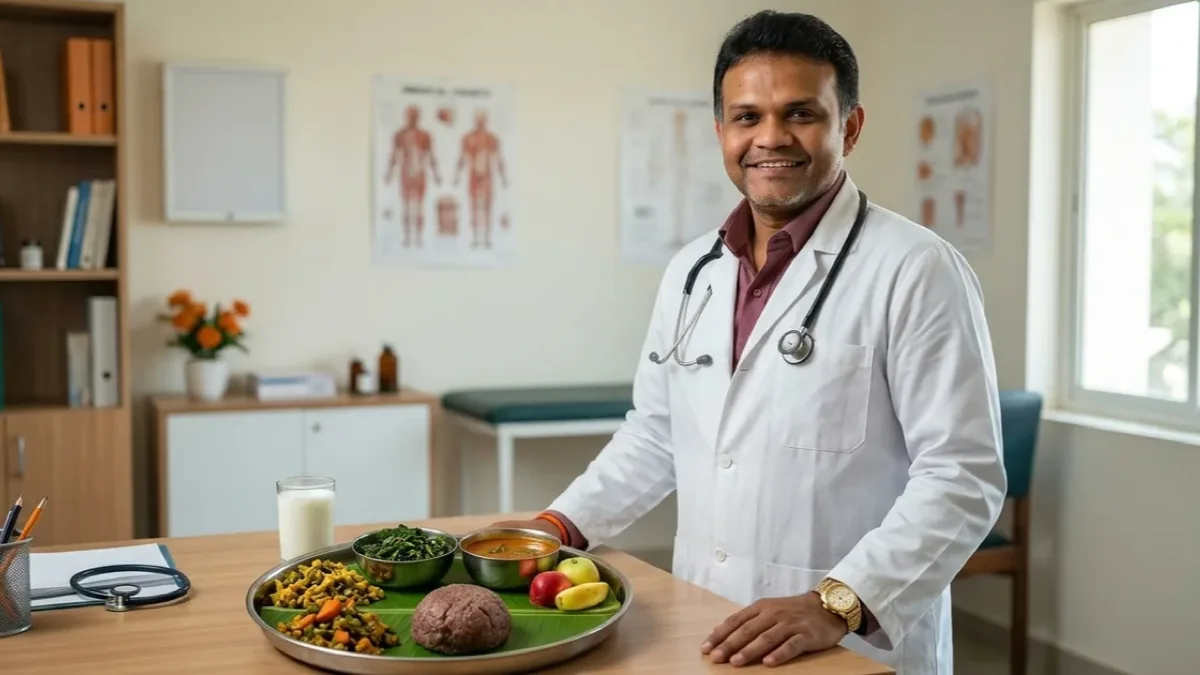
Need expert consultation? Book an appointment with Dr. Babu Elangovan.
Book AppointmentMost piles and fissure flare-ups in Chennai start with the same thing: a hard stool after a few days of hot weather, too little water and too much maida or fried food. What you eat does not shrink a large pile, but it decides how soft your stools are, and soft stools mean less straining, less bleeding and a fissure that can finally heal. This guide covers what to eat and what to limit, built from a normal South Indian kitchen rather than special products, along with the toilet habits that matter just as much. If you are not yet sure whether your problem is piles, a fissure or a fistula, start with how to tell them apart.
Piles Diet: Foods to Avoid to Prevent Straining and Bleeding
Eliminating specific dietary triggers protects raw, inflamed anal tissues from further irritation and prevents severe constipation. Certain foods directly delay intestinal transit, turning stool hard and dry before it reaches the rectum.
Why Low-Fibre Foods Exacerbate Haemorrhoidal Pressure
Low-fibre refined carbohydrates digest rapidly in the upper gastrointestinal tract, leaving minimal bulk to stimulate normal intestinal contractions. Items made from refined wheat flour (maida), such as parottas, white bread, naan, biscuits, and commercial bakery items, slow down intestinal transit times significantly. As waste remains stagnant in the colon, excessive water is reabsorbed, resulting in small, hard, pebble-like stools. Passing hard stool requires intense abdominal straining, which spikes intra-abdominal pressure and stretches sensitive anal veins.
The Role of Spicy and Dehydrating Items in Symptom Flares
Deep-fried, high-fat snacks like samosas, bajji, and chips delay stomach emptying and impair overall bowel motility. High amounts of dietary fat lead to sluggish digestion, worsening constipation and increasing pressure on swollen vascular cushions. While spicy foods do not directly cause haemorrhoids to form, the compound capsaicin found in red chillies passes through the digestive tract unabsorbed. When it reaches an inflamed pile or a fissure, it can sting and burn, so adjust the spice to what you can comfortably tolerate rather than cutting it out altogether.
Excessive consumption of caffeinated drinks like strong coffee or tea, alongside alcohol, exerts a mild diuretic effect on the body. Systemic dehydration forces the large intestine to draw additional fluid out of digested waste to maintain hydration, exacerbating dry stools. If you also get heartburn, the list of foods that trigger acid reflux is different and worth reading separately.
Why Does Diet Play Such a Critical Role in Piles Management?
Dietary composition dictates the physical consistency, moisture content, and volume of stool moving through the rectum. Modifying what you consume directly controls the physical forces exerted on anal blood vessels during every bowel movement.
The Anatomy of Straining: How Hard Stools Damage Anal Veins
Piles (haemorrhoids) are specialised vascular cushions located within the submucosal layer of the anal canal. These cushions consist of arteriovenous connections and smooth muscle tissue designed to help maintain faecal continence. When hard, dry stools pass through the rectum, they act like abrasive material against these delicate structures.
Straining increases intra-abdominal pressure, restricting venous blood return from the pelvic floor. This pooling of blood causes the anal veins to engorge, stretch, and eventually prolapse downward into the anal passage. Repeated friction from hard bowel movements tears the surface epithelium covering these distended veins, causing bright red bleeding.
Dietary Control vs. Surgical Treatment: Realistic Expectations
A structured high-fibre diet combined with adequate hydration softens the stool, allowing it to glide smoothly through the canal without requiring force. Soft, bulky stools minimise friction, which helps reduce active bleeding and swelling in grade 1 or mild grade 2 haemorrhoids.
However, dietary modifications have clear physiological boundaries. Eating fibre-rich foods cannot reverse structural tissue damage, shrink severely prolapsed grade 3 or grade 4 haemorrhoids, or repair chronic fibrous anal fissures. Diet serves as an essential foundation for management and post-treatment recovery, but established structural disease requires direct medical or surgical care.
What Foods Should You Eat to Ease Piles and Fissure Symptoms?
Constructing a bowel-friendly diet requires choosing foods that increase stool bulk and retain internal moisture throughout the digestive journey. You can easily achieve these goals by focusing on traditional, nutrient-dense South Indian ingredients.
| Food Category | Recommended Daily Choices | Stool & Digestive Benefit |
|---|---|---|
| Traditional Greens | Keerai (Spinach), Manathakkali | Adds bulk and retains moisture |
| Whole Grains | Ragi, Kambu, Thinai, Red Rice | Speeds intestinal transit |
| Legumes & Pulses | Sundal (Chickpeas), Moong Dal | Provides soft, soluble fibre |
| Fruits | Papaya, Guava, Banana, Watermelon | Softens stool texture naturally |
Building a High-Fibre Plate with Traditional South Indian Staples
Adults suffering from symptomatic piles should aim for a daily dietary fibre intake of 25 to 30 grams. Traditional regional cooking offers outstanding natural options to meet this requirement without relying on processed supplements:
- Green Leafy Vegetables (Keerai): Incorporate varieties like siru keerai, arai keerai, or manathakkali keerai into your daily lunch as a poriyal or kootu. Leafy greens provide insoluble fibre that accelerates bowel movement.
- Whole Grains and Millets: Replace refined white rice with unrefined red rice or millets such as finger millet (ragi), pearl millet (kambu), and foxtail millet (thinai). Unrefined dosa and idli batters made with whole lentils retain essential natural bran.
- Pulses and Legumes: Include daily servings of yellow moong dal, green gram, or boiled sundal (chickpeas, black chana). Pulses deliver both high fibre and quality vegetable protein needed for mucosal healing.
- Fresh Fruits: Eat fresh whole fruits daily, including papaya, guava (with seeds chewed lightly), bananas, and seasonal pomegranates. Papaya contains papain, an enzyme that assists digestive breakdown alongside high soluble fibre content.
Soluble vs. Insoluble Fibre: Finding the Right Balance
Optimising bowel health requires a strategic blend of both soluble and insoluble dietary fibre:
- Soluble Fibre: Found in oats, lentils, apples, papaya, and psyllium. It dissolves in intestinal fluid to form a smooth, gel-like substance that keeps stool soft, pliable, and easy to pass.
- Insoluble Fibre: Found in wheat bran, vegetable skins, whole grains, and leafy greens. It absorbs water to add physical structure and bulk to the stool, stimulating regular peristaltic contractions along the colon walls.
A plate that mixes dal, vegetables, greens, millets and fruit gives you both kinds without counting; there is no need to measure them separately.
How Much Fluid Is Needed to Prevent Constipation in Warm Climates?
Increasing dietary fibre without consuming sufficient water can severely backfire. Fibre acts like a dry sponge inside the intestine; without liquid, it absorbs available mucosal moisture and hardens into a dense, immovable mass.
Hydration Benchmarks for Tropical and Warm Climates
In warm, humid coastal environments like Chennai, daily fluid loss through perspiration and ambient heat is higher than in cooler zones. Patients with piles should drink 2.5 to 3 litres of non-caffeinated fluids every day to maintain soft stools.
| Daily Fluid Source | Target Volume | Physiological Benefit |
|---|---|---|
| Plain Water | 1.5 - 2.0 Litres | Maintains general hydration & stool moisture |
| Thin Buttermilk (Mor) | 1 - 2 Glasses | Delivers natural probiotics & cooling |
| Tender Coconut Water | 1 Glass (300 ml) | Replenishes essential electrolytes |
Traditional hydrating drinks serve dual clinical purposes. Thin, home-churned buttermilk (mor) spiced lightly with coriander and curry leaves provides natural probiotics that regulate gut flora while delivering hydration. Fresh tender coconut water supplies essential electrolytes, preventing dry constipation without irritating the stomach lining.
When modifying your food habits, increase your daily fibre intake gradually over 7 to 14 days while increasing water intake. Rushing fibre intake too quickly can trigger abdominal gas, cramping, and uncomfortable bloating.
Using Psyllium Husk (Isabgol) Correctly When Diet Falls Short
Psyllium husk (isabgol) is a refined plant-based soluble fibre supplement that aids bowel regularity when dietary intake falls short. However, it must be taken correctly to avoid mechanical blockages:
- Mix 1 to 2 teaspoons (5 to 10 grams) of psyllium husk into a full glass (250 ml) of plain room-temperature water or warm milk.
- Drink the mixture immediately before it thickens into a heavy gel.
- Follow it immediately with a second full glass of plain water to ensure the fibre reaches the stomach smoothly.
- Take psyllium husk either first thing in the morning or right before bedtime, away from prescription medications.
Which Toilet Habits Matter as Much as Your Diet?
Even an ideal high-fibre diet cannot offset improper physical habits inside the bathroom. The mechanical strain placed on the pelvic floor during bowel movements often stems directly from body posture and prolonged sitting.
| Common Toilet Habit | Mechanical Impact on Pelvic Floor | Correct Alternative Habit |
|---|---|---|
| Prolonged Sitting | Venous pooling & tissue stretch | Limit toilet time to 3-5 minutes |
| Flat 90-Degree Posture | Anorectal angle remains kinked | Use a footstool to elevate knees |
| Forceful Straining | Spikes intra-abdominal pressure | Wait for natural peristalsis urges |
- Never Ignore the Urge: Respond promptly when your body signals the need for a bowel movement. Delaying defecation forces stool to sit in the rectum longer, where the colon continues reabsorbing water, turning soft waste hard.
- Cap Toilet Time at 3 to 5 Minutes: Avoid sitting on the toilet for extended periods reading books, using smartphones, or browsing media. Sitting on an open toilet seat leaves the pelvic floor unsupported, allowing gravity and passive venous pressure to swell anal blood vessels.
- Adopt a Squatting Position: Modern Western toilets position the hips at a 90-degree angle, which keeps the puborectalis muscle constricted around the rectum, creating an obstructive kink. Place a small 6- to 8-inch footstool under your feet to elevate your knees above your hips. This relaxes the puborectalis muscle and straightens the passage, so less pushing is needed.
- Avoid Forceful Pushing: Never force a bowel movement through breath-holding or straining. If a movement does not occur within 3 to 5 minutes, step out, drink a warm glass of water, walk around, and wait until the next natural urge occurs.
Sample One-Day High-Fibre Meal Plan for Piles Relief
This sample non-irritating 24-hour food schedule demonstrates how to integrate high-fibre, low-irritant regional foods into daily living while keeping stools soft and regular.
- Early Morning (7:00 AM): A large glass (300 ml) of warm water, followed by 5 soaked almonds and 2 soaked figs (atti pazham).
- Breakfast (8:30 AM): Two ragi idlis or vegetable-loaded oats upma served with mild coriander-coconut chutney, accompanied by a warm glass of water. Avoid tea or coffee on an empty stomach.
- Mid-Morning Snack (11:00 AM): A cup of fresh sliced papaya or guava along with a glass of fresh tender coconut water.
- Lunch (1:00 PM): A bowl of unrefined red rice or foxtail millet, paired with spinach sambar (keerai sambar), vegetable kootu (snake gourd or ridge gourd), a small serving of boiled chana sundal, and a large glass of thin spiced buttermilk (mor).
- Evening Snack (4:30 PM): A small bowl of steamed green gram sprouts or boiled peanuts, served with mild herbal tea or plain water. Avoid maida biscuits, samosas, or fried snacks.
- Dinner (7:30 PM): Two whole-wheat multigrain phulkas or thin unrefined plain dosa served with a soft bottle gourd (sorakkay) curry or dal.
- Bedtime (9:30 PM): A glass of warm water or warm milk. If prone to dry constipation, take 1 teaspoon of psyllium husk in a full glass of water.
If heartburn is also a problem, the GERD diet plan covers meal timing and the foods that matter for reflux.
When Is Diet Not Enough for Piles? Warning Signs and Treatment Options
While a supportive diet reduces constipation and alleviates mild symptoms, conservative dietary measures cannot cure established, advanced haemorrhoidal disease or severe anatomical defects.
Distinguishing Mild Piles from Advanced Haemorrhoidal Disease
Conservative home care and high-fibre nutrition are suitable for Grade 1 piles (internal swelling without tissue prolapse) and mild Grade 2 piles (tissue that prolapses during straining but spontaneously returns).
However, medical evaluation becomes necessary when:
- Haemorrhoidal tissue prolapses out of the anal canal during bowel movements and requires manual reduction (Grade 3).
- Prolapsed tissue remains permanently outside the anal sphincter and cannot be pushed back (Grade 4).
- Deep, sharp pain accompanies bowel movements, indicating a painful anal fissure or a thrombosed haemorrhoid (a clotted blood vessel).
- Bleeding persists daily despite strict dietary discipline and stool softeners.
When Bleeding Requires Endoscopic Evaluation or Surgery
Rectal bleeding should never be automatically assumed to originate from simple piles without clinical validation. Bright red dripping can signal haemorrhoids, but blood mixed within the stool matrix, dark maroon stools, unexplained weight loss, chronic fatigue, or altered bowel habits warrant urgent evaluation. An examination and, where needed, a colonoscopy rule out polyps, inflammatory bowel disease or cancer; the blood in stool guide explains who needs one.
When diet is no longer enough, many bleeding piles can still be treated in the clinic with rubber band ligation, as described in bleeding piles treatment without surgery. Larger or prolapsing piles may need laser or stapled surgery; the options and approximate costs are in the piles treatment guide, and the condition itself is explained in the piles guide.
Dr. Babu Elangovan, Surgical Gastroenterologist (MCh), treats piles, fissures and fistulas as part of Mira Health Care's surgical team in Adyar (Monday to Saturday, 4 to 7 PM), and also sees patients at Kauvery Hospital (Alwarpet), Capstone Clinic (T. Nagar) and Kumaran and THANC Hospitals (Kilpauk). New mothers will find practical advice in piles during pregnancy and after delivery.
To schedule a personal clinical consultation, Book an appointment with Dr. Elangovan · phone: +91 94440 43478.
Written & medically reviewed by