Piles During Pregnancy and After Delivery: What Helps and When to See a Surgeon
Need expert consultation? Book an appointment with Dr. Babu Elangovan.
Book AppointmentPain, a swelling or a little bleeding from the back passage is one of the most common complaints of late pregnancy and the first weeks after delivery, and one of the least talked about. Many mothers in Chennai simply put up with it. Piles during pregnancy and after delivery usually settle with simple care at home, and very few women need any procedure. The important part is knowing what is safe to do now, what can wait until after the baby, and the few signs that should not wait.
Why Do Piles During Pregnancy and After Delivery Occur?
Gestational and postpartum haemorrhoids occur primarily due to increased pelvic pressure, hormonal shifts, and the physical strain of childbirth. These factors alter normal venous blood flow and bowel motility in the lower abdomen.
Hormonal Changes and Slowed Digestion
Progesterone levels rise significantly during pregnancy, relaxing smooth muscle tissues throughout the body. This hormonal shift slows intestinal motility, leading to delayed transit times and severe constipation.
As hard stools accumulate, the strain required during bowel movements places repetitive pressure on the delicate blood vessels surrounding the rectum and anus. Over time, this constant pressure causes the vessel walls to stretch and bulge into swollen anal cushions.
Pelvic Pressure and Straining During Labour
The physical presence of the growing foetus creates continuous mechanical pressure inside the pelvis. As the uterus expands, it presses against the inferior vena cava and pelvic veins, impairing venous blood return from the lower body. This pooled blood increases resting pressure inside the anorectal veins.
During the second stage of labour, intense pushing acutely engorges these anal cushions. The repetitive physical exertion of bearing down often triggers immediate postpartum flare-ups or worsens existing swelling.
How Can You Safely Relieve Symptoms at Home?
During pregnancy, treatment is almost always conservative: the aim is soft stools, less straining and comfort, and procedures are left until after delivery unless there is a complication.
Dietary and Hydration Adjustments
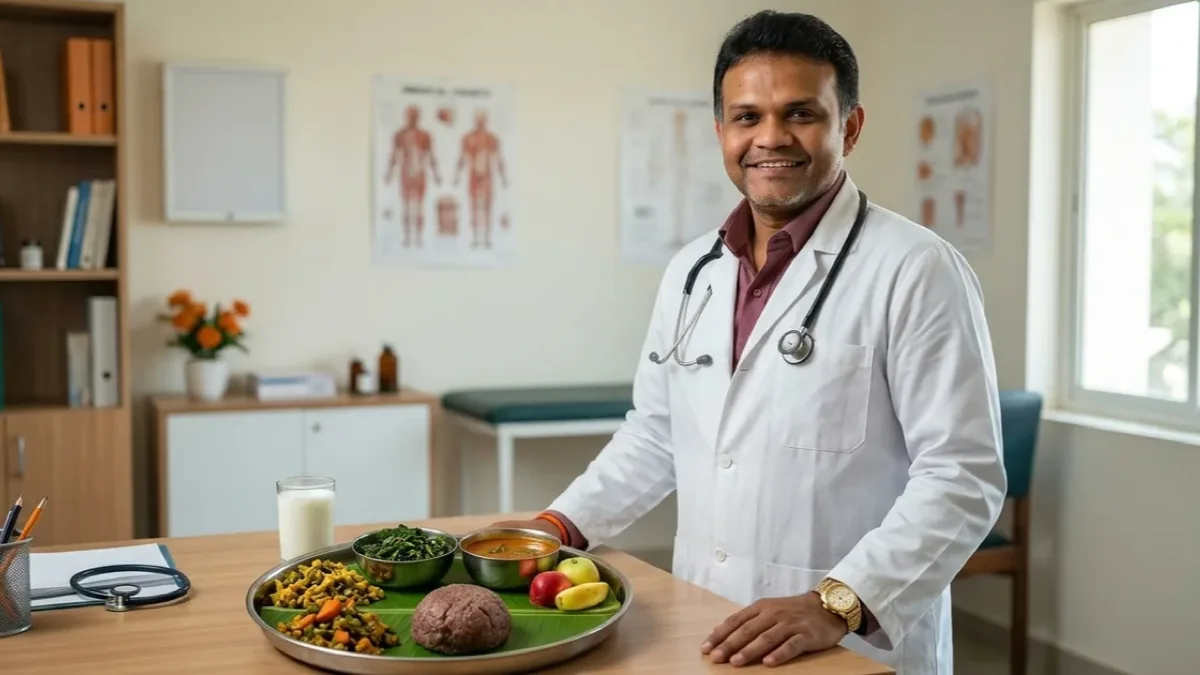
Build fibre from familiar food rather than special products: ragi or kambu dosa and porridge, dal, sambar and kootu with plenty of vegetables, keerai, sundal, and fruit such as guava, papaya and banana. Add it gradually over a week, because a sudden jump causes gas and bloating.
Fibre only softens stools if there is enough water to go with it. In Chennai's heat, and while breastfeeding, most women need about 2.5 to 3 litres a day, more if they are sweating, unless the obstetrician has advised otherwise. Iron tablets, which most pregnant women take, harden stools; if they are making constipation worse, ask the obstetrician about the dose or the type rather than stopping them.
Topical Comfort and Rest Techniques
Sit in a wide basin of plain warm water (a sitz bath, sold at most pharmacies) for 10 to 15 minutes, two or three times a day and after motions. Warm water helps relax tight sphincter muscles and eases local irritation without harsher chemical contact.
Avoid sitting on the toilet for prolonged periods, as unsupported seating increases venous pooling. Rest on your side rather than your back to take direct uterine weight off the lower vena cava and perineum. Always confirm topical ointments or stool softeners with your obstetrician before use, particularly while pregnant or nursing.
Is It a Pile or an Anal Fissure?
Key Differences in Symptoms
Piles typically present as soft tissue prolapse or painless, bright red bleeding observed on toilet tissue or in the bowl. They involve dilated venous cushions located inside or just outside the anal canal.
By contrast, anal fissures cause sharp, severe pain during and after bowel movements, frequently described as a cutting sensation. While haemorrhoids stem from swollen vascular structures, fissures are small tears in the mucosal lining of the anal canal.
| Symptom Feature | Internal or External Piles | Anal Fissure |
|---|---|---|
| Primary Pain Level | Dull ache or painless; severe only if thrombosed | Sharp, severe, tearing pain during defecation |
| Bleeding Pattern | Bright red blood dripping or wiping on tissue | Small streak of blood on stool surface or tissue |
| Physical Appearance | Soft bulging tissue or visible blueish lump | Narrow mucosal tear, often with a sentinel skin tag |
| Muscle Spasm | Occasional mild discomfort | Severe involuntary sphincter contraction post-stool |
Why Postpartum Fissures Are Common
Postpartum fissures frequently develop alongside haemorrhoids due to the passage of hard, dry stools during early recovery. Hormonal shifts, dehydration from lactation, and fear of pain after delivery can lead mothers to delay bowel movements.
This voluntary delay hardens the stool further inside the rectum. Passing hard faecal matter stretches the sensitive anal mucosa past its elastic limit, creating a tear.
What Is a Thrombosed External Haemorrhoid?
A thrombosed external haemorrhoid is a localised anorectal condition in which a blood clot forms within an external haemorrhoidal vein near the anal opening. This acute vascular event causes sudden swelling, noticeable discolouration, and sharp, persistent perianal pain that can interfere with daily movement and rest.
This condition commonly develops after the strenuous physical exertion of delivery, which places acute pressure on perianal veins. The clot creates a hard, bluish-purple nodule at the anal margin that remains tender to the touch, even while resting or lying down.
Prompt evaluation by a colorectal surgeon within 48 to 72 hours of symptom onset determines whether conservative care or a simple, minor procedure offers the safest relief. Early assessment prevents prolonged pain and allows for tailored management that respects postpartum recovery.
When Should You Consult a Surgical Specialist?
Most gestational haemorrhoids improve gradually as hormone levels normalise and pelvic pressure subsides after delivery. However, lingering tissue changes require professional evaluation.
Expected Recovery Timeline Post-Delivery
In most cases, pregnancy-related piles regress within 6 to 12 weeks post-delivery. As pelvic floor tone returns and bowel habits stabilise, the swollen venous tissues shrink naturally without invasive intervention.
During these initial weeks, conservative management remains the primary focus. Consistent dietary fibre, gentle hydration, and careful toilet hygiene allow the body time to heal naturally.
Indications for Specialist Evaluation
A specialist consultation is recommended if tissue prolapse persists beyond 12 weeks, bleeding remains frequent, or pain interferes with daily infant care. Lingering tissue can cause ongoing hygiene difficulties and skin irritation.
Surgical evaluation focuses on a gentle physical assessment, holding off on non-emergency interventions until postpartum tissue healing is complete. An accurate clinical review distinguishes simple piles from structural skin tags or deep mucosal tears.
What Red Flag Symptoms Require Immediate Medical Attention?
While most postpartum symptoms resolve with conservative care, specific clinical signs point to urgent medical needs.
- Heavy or persistent rectal bleeding with visible blood clots.
- Systemic signs such as fever, chills, or purulent perianal discharge.
- Unbearable, escalating pain accompanied by dizziness, lightheadedness, or weakness.
- Irreducible prolapsed tissue that turns dark, cold, or discoloured.
Prompt medical review helps rule out complex perianal infections, severe thrombosis, or heavy blood loss, ensuring patient safety during the vulnerable postpartum period.
How Are Postpartum Piles Managed Post-Delivery?
Advanced procedural interventions are reserved for cases where conservative treatments fail to resolve persistent symptoms after initial postpartum healing.
Non-Surgical and Minimally Invasive Options
If symptoms continue well past the initial recovery period (typically 8 to 12 weeks post-delivery), non-surgical options may be considered. Procedures such as outpatient rubber band ligation or daycare laser treatment target persistent internal piles with minimal disruption to daily routine.
These daycare interventions reduce blood supply to internal haemorrhoids, causing them to shrink safely over several days. They do not require prolonged hospital stays, allowing mothers to return quickly to home routines.
Considerations for Nursing Mothers
Care plans for breastfeeding mothers prioritise medications and interventions that are safe during lactation. Surgical timing, pain management, and recovery protocols are coordinated carefully to ensure nursing schedules and infant care remain uninterrupted.
Seeing a Surgeon in Chennai After Delivery
Dr. Babu Elangovan, Surgical Gastroenterologist (MCh), treats piles, fissures and fistulas as part of Mira Health Care's surgical team in Adyar, where he sees patients Monday to Saturday from 4 to 7 PM. He also consults at Kauvery Hospital (Alwarpet), Capstone Clinic (T. Nagar) and Kumaran and THANC Hospitals (Kilpauk). The examination is short and private, a chaperone is available, and you are welcome to bring your baby or a family member. More on the condition itself is in the guides to piles and anal fissure, and treatment options are in the piles treatment guide.
To schedule a specialist consultation or make clinical enquiries, contact the practice directly at +91 94440 43478 or book an appointment online.
Written & medically reviewed by