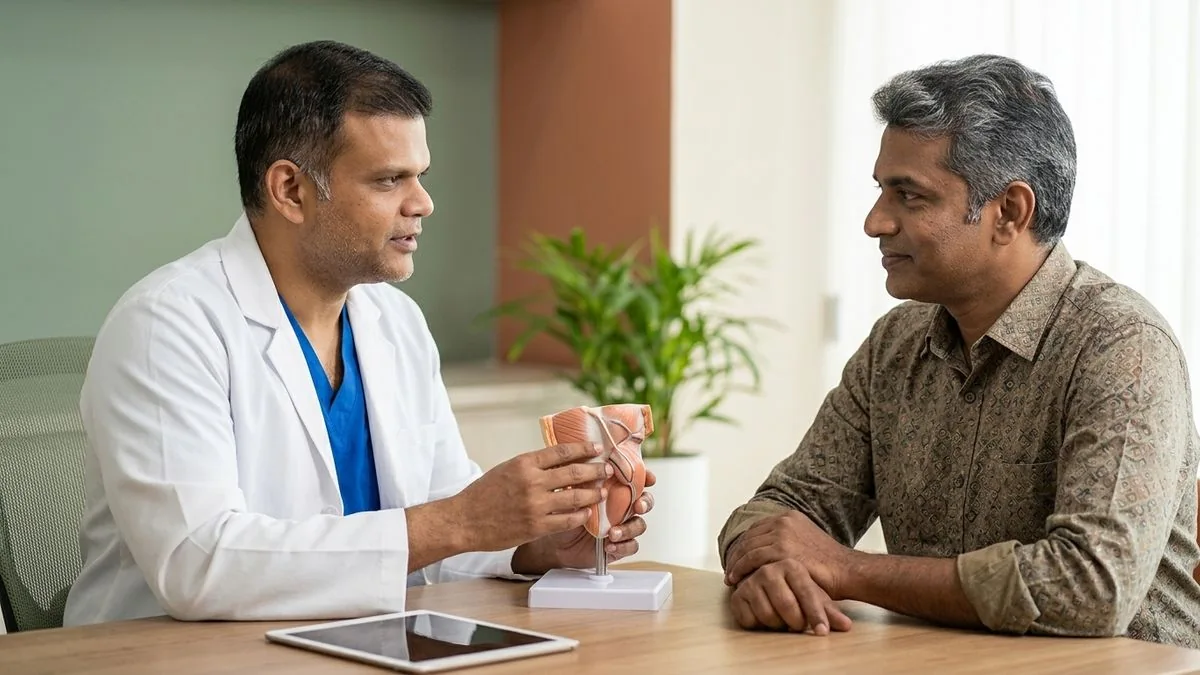
Recovery After Laparoscopic Hernia Surgery: A Timeline Guide
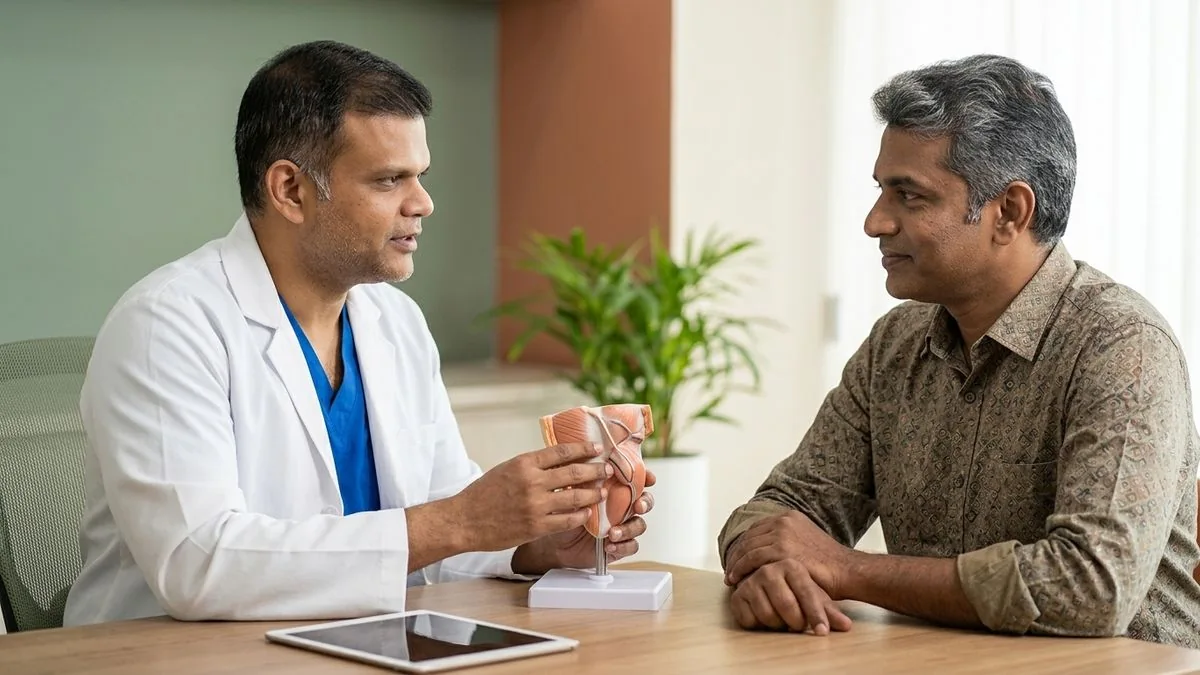
Need expert consultation? Book an appointment with Dr. Babu Elangovan.
Book AppointmentUndergoing any surgical procedure can bring about a mix of relief and anxiety. If you are planning for or have recently undergone a minimally invasive hernia repair, understanding what to expect during your recovery after laparoscopic hernia surgery is crucial for a smooth, safe, and comfortable healing process.
Laparoscopic and robotic techniques have transformed the patient experience. Compared to traditional open surgery, these minimal-access approaches generally result in smaller incisions, less post-operative pain, and a faster return to daily activities. However, successful recovery still requires careful attention, patience, and adherence to professional medical guidance.
With over 20 years of clinical and operative experience, Dr. Babu Elangovan provides dedicated, single-surgeon care from your initial consultation through your surgery and long-term follow-up. In this guide, we will break down the recovery timeline, address common concerns, and outline practical steps to help you heal safely.
Understanding Recovery After Laparoscopic Hernia Surgery
Laparoscopic hernia repair is performed using specialized instruments and a tiny camera (laparoscope) inserted through a few small incisions, usually less than a centimeter in size. During the procedure, the surgeon pushes the protruding tissue back into place and reinforces the weakened abdominal wall with a surgical mesh.
Because the abdominal muscles are not cut—as they often are in open surgery—the initial recovery after laparoscopic hernia surgery is significantly shorter and less painful. However, it is essential to remember that even though the external incisions are small, significant internal tissue healing is taking place.
Small Incisions
Less Muscle Disruption
Lower Post-Op Pain
Mesh Integration & Healing
Takes 4 to 6 weeks for full strength
During the first few weeks, your body is working to integrate the surgical mesh into your natural tissues. Pushing your physical limits too early can strain this delicate healing process, increasing the risk of complications or hernia recurrence.
If you are candidate for advanced keyhole options, learning about robotic and minimal-access surgery can help you understand how these precise techniques minimize tissue trauma and support a more comfortable recovery.
The Day of Surgery: What Happens Immediately After?
Laparoscopic hernia repair is frequently performed as a day-care procedure, meaning many patients can go home the same day. Some cases, depending on the hernia's size or the patient's underlying health conditions, may require an overnight hospital stay.
In the Recovery Room (PACU)
Immediately after surgery, you will wake up in the Post-Anesthesia Care Unit (PACU). The medical team will monitor your vital signs, pain levels, and anesthesia recovery.
- Waking Up: You may feel groggy, cold, or have a dry throat from the breathing tube used during general anesthesia. These sensations are temporary and typically resolve within a few hours.
- First Steps: Once you are fully awake, a nurse will assist you in standing up and taking a few short steps. Early mobilization is highly encouraged because it stimulates blood circulation, supports lung function, and helps prevent blood clots.
- Passing Urine: Before you can be discharged, you must be able to urinate on your own. Anesthesia and pelvic surgery can sometimes cause temporary urinary retention.
Going Home
You will need a family member or friend to drive you home, as you cannot drive for at least 24 to 48 hours after receiving anesthesia. Before you leave, you will receive detailed instructions regarding medications, wound care, and emergency contact details.
If you experience sudden severe pain or have underlying gastrointestinal concerns, early assessment is vital. You can request a clinical evaluation at any of Dr. Babu Elangovan's Chennai consulting locations.
Recovery After Laparoscopic Hernia Surgery: Week 1 Timeline
The first week of your recovery after laparoscopic hernia surgery is focused on pain management, wound care, and gradual mobilization. Here is a general day-by-day outline of what to expect:
| Phase | Common Physical Symptoms | Recommended Activities | Restrictions |
|---|---|---|---|
| Days 1–2 | Moderate soreness, abdominal bloating, shoulder discomfort, mild fatigue. | Short walks around the house, deep breathing exercises, resting. | No lifting over 5 kg, no driving, no sudden twisting movements. |
| Days 3–5 | Soreness begins to decrease; localized bruising or mild swelling may appear. | Light household activities, slightly longer walks, standing for short periods. | Avoid prolonged sitting, no strenuous exercise, do not soak incisions. |
| Days 6–7 | Energy levels improve; incision sites may begin to itch (a sign of healing). | Returning to desk work (if working from home), short outdoor walks. | No heavy lifting, no vigorous physical exertion or core workouts. |
Days 1 to 2: The Initial Transition
Expect some discomfort during the first 48 hours. You may feel a dull ache across your abdomen, as well as localized pain near the incision sites.
Many patients also experience shoulder pain. This is caused by the carbon dioxide gas used to inflate the abdomen during the hernia repair procedure. The gas can irritate the phrenic nerve, which travels up to the shoulder. This discomfort is normal and usually subsides within 2 to 3 days as your body naturally absorbs and expels the gas.
Days 3 to 5: Gradual Improvement
By the third day, the sharpest post-operative pain should begin to ease. You may notice mild swelling or bruising around the incisions, or even near the groin or scrotum (for inguinal hernias). This is a common response to gravity and surgical dissection, and it will gradually resolve over the next two weeks. Keep walking short distances regularly to encourage circulation and ease abdominal bloating.
Days 6 to 7: Finding Your Baseline
By the end of the first week, most patients feel significantly better. You should be able to move around with minimal discomfort and manage any residual soreness with over-the-counter pain relievers or mild prescription medications. If your job involves light desk work, you may feel ready to return to work, provided you do not have to commute long distances or perform any physical labor.
Pain Management and Wound Care
Effective pain management and proper wound care are key components of a safe recovery.
Managing Pain and Discomfort
Pain is subjective, and everyone experiences it differently. The goal is not necessarily to eliminate all sensation, but to keep your discomfort at a manageable level so you can walk, breathe deeply, and sleep comfortably.
- Medications: Take your prescribed pain medications exactly as directed by your surgeon. Do not wait for the pain to become severe before taking your medication, as it is easier to prevent pain from escalating than to bring it under control.
- Ice Packs: Applying an ice pack wrapped in a clean cloth to the surgical site for 15 to 20 minutes at a time can help reduce local swelling and numb the area.
- Supporting Your Abdomen: If you need to cough, sneeze, or laugh, gently press a small pillow against your abdomen. This provides support, reduces sudden pressure on your incisions, and minimizes sharp pains.
Caring for Your Incisions
Laparoscopic incisions are typically closed with dissolvable sutures under the skin, covered by surgical glue, sterile adhesive strips (Steri-Strips), or small waterproof dressings.
- Keep it Dry: Keep your incisions dry for the first 48 hours. After this period, you can usually take a quick shower. Let soapy water run gently over the incisions, pat them dry with a clean towel, and avoid rubbing the area.
- Avoid Soaking: Do not submerge your body in water (baths, swimming pools, or hot tubs) until your surgeon confirms your incisions are fully closed and healed, typically around 2 weeks post-surgery.
- Let Adhesives Fall Off Naturally: If you have Steri-Strips, leave them alone. They will usually curl up and fall off on their own within 7 to 10 days. If they remain after two weeks, you can gently peel them off after a shower.
Diet and Nutrition Guidelines for Smooth Healing
What you eat plays a vital role in how your body repairs itself. Following a few simple dietary guidelines can prevent complications and support your overall recovery.
Preventing Constipation
Constipation is a common issue after surgery due to the combined effects of anesthesia, pain medications (especially opioids), and reduced physical activity. Straining during a bowel movement increases intra-abdominal pressure, which can place unnecessary stress on your new hernia repair.
- Hydrate Constantly: Drink plenty of water throughout the day. Aim for 8 to 10 glasses unless otherwise advised by your physician.
- Increase Fiber Gradually: Eat foods rich in fiber, such as fresh fruits (apples, pears, berries), vegetables, whole grains (oats, brown rice), and legumes.
- Stool Softeners: Dr. Babu Elangovan may recommend a gentle, over-the-counter stool softener for the first week to keep your bowel movements effortless. Do not strain.
Supporting Tissue Repair
To help your body rebuild strong tissues around the surgical mesh, focus on nutrient-dense foods:
- Lean Proteins: Protein is essential for wound healing. Include chicken, fish, eggs, tofu, paneer, lentils, and dairy products in your meals.
- Vitamin C and Zinc: These nutrients support collagen synthesis and immune function. Citrus fruits, bell peppers, broccoli, nuts, and seeds are excellent sources.
- Easy-to-Digest Meals: For the first day or two, stick to light, easily digestible foods like khichdi, soups, idlis, or yogurt to avoid bloating and gas.
Physical Activity and Exercise After Laparoscopic Hernia Repair
Resuming physical activity is a balancing act. Moving too little can prolong your recovery and increase the risk of complications, while moving too much or too soon can compromise your surgical repair.
Safe Activities (Weeks 1 to 2)
- Walking: Walking is the single best exercise during early recovery. Start with short walks inside your home and gradually increase the distance as your comfort allows.
- Stretching: Gentle upper-body stretching is fine, provided it does not pull or strain your abdominal muscles.
- Stairs: Climbing stairs is generally safe, but take them slowly, one step at a time, and use the handrail for balance.
Activities to Avoid (Weeks 1 to 4)
- Heavy Lifting: Do not lift anything heavier than 5 kilograms (about the weight of a gallon of milk or a grocery bag) for the first 4 weeks. This includes groceries, laundry baskets, pets, and children.
- Core Exercises: Avoid abdominal crunches, planks, sit-ups, and heavy lifting at the gym.
- High-Impact Sports: Postpone running, cycling, swimming, tennis, and golf until you receive clearance from your surgeon at your follow-up appointment.
Returning to Work and Driving
- Driving: You can resume driving once you are completely off all prescription pain medications and can comfortably make an emergency stop (slamming on the brakes) without hesitation or abdominal pain. This is usually around 5 to 7 days post-surgery.
- Desk Jobs: Most patients can return to light office work within 5 to 7 days.
- Physical Labor: If your job involves heavy lifting, standing for long periods, or manual labor, you may need 3 to 4 weeks of modified duties or time off.
For comprehensive guidelines tailored to your specific type of hernia (such as inguinal, umbilical, or incisional), please refer to our dedicated guide on hernia surgery.
Potential Red Flags and When to Contact Your Surgeon
While complications after laparoscopic hernia repair are uncommon, it is important to monitor your progress closely. Contact your surgical team immediately if you experience any of the following warning signs:
- High Fever: A temperature above 101°F (38°C) or persistent chills.
- Worsening Pain: Discomfort that increases over time and is not relieved by your prescribed pain medications.
- Incision Concerns: Excessive redness, warmth, severe swelling, or foul-smelling drainage from any of the incision sites.
- Inability to Urinate: Difficulty passing urine or a complete inability to empty your bladder.
- Persistent Nausea or Vomiting: Being unable to keep liquids down for more than 12 to 24 hours.
- Severe Swelling: A sudden, large, hard swelling in your abdomen or groin.
- Respiratory Issues: Shortness of breath, a persistent cough, or sudden chest pain.
If you are experiencing any concerning symptoms during your recovery, early medical assessment is critical. Request a consultation with Dr. Babu Elangovan at his Chennai consulting locations.
Long-Term Recovery and Preventing Hernia Recurrence
While the first few weeks are critical, complete long-term recovery and tissue maturation can take several months. Taking proactive steps can protect your abdomen and minimize the risk of a hernia returning in the future.
Maintain a Healthy Weight
Excess body weight puts constant, increased pressure on your abdominal wall. Adopting a balanced diet and regular exercise routine can help you achieve and maintain a healthy weight, reducing stress on the repaired area.
Strengthen Your Core Safely
Once your surgeon has fully cleared you for strenuous exercise (usually around 6 weeks post-surgery), focus on rebuilding your core strength. Work with a physical therapist or trainer experienced in post-surgical fitness to learn exercises that strengthen the abdominal wall without straining it.
Avoid Straining
- Manage Chronic Coughs: If you have asthma, allergies, or a chronic cough, work with your physician to keep these conditions well-managed. Repetitive coughing places immense pressure on the abdomen.
- Lift Correctly: When lifting objects, always bend at your knees and hips, keeping your back straight. Let your leg muscles do the work, and avoid holding your breath while lifting.
Why Continuity of Care Matters in Hernia Recovery
Your recovery does not end when you leave the operating room. Under the single-surgeon care model of Dr. Babu Elangovan, you benefit from consistent, personalized attention. The same surgeon who evaluates you in the clinic will perform your procedure and personally monitor your progress during your follow-up visits.
This continuity of care ensures that any minor recovery issues are identified and addressed early, giving you peace of mind as you heal. Dr. Babu Elangovan brings over two decades of clinical experience in advanced gastrointestinal, HPB, and laparoscopic GI surgery to patients across Chennai and South India.
Whether you are preparing for an upcoming procedure or seeking a detailed evaluation of your symptoms, you can consult with Dr. Babu Elangovan at his primary clinic, Mira Health Care (Adyar), or at other leading hospitals across Chennai, including Kauvery Hospital (Alwarpet), Capstone Clinic (T. Nagar), Kumaran Hospital (Kilpauk), and THANC Hospital (Kilpauk).
References
- Bittner, R., et al. "Guidelines for laparoscopic (TAPP) and endoscopic (TEP) treatment of inguinal hernia [International Endohernia Society (IEHS)]." Surgical Endoscopy, 2011. https://link.springer.com/article/10.1007/s00464-011-1799-6
- HerniaSurge Group. "International guidelines for groin hernia management." Hernia, 2018. https://link.springer.com/article/10.1007/s10029-017-1668-x
- Society of American Gastrointestinal and Endoscopic Surgeons (SAGES). "Guidelines for Laparoscopic Inguinal Hernia Repair." SAGES, 2021. https://www.sages.org/publications/guidelines/
- Liang, M. K., et al. "Outcomes of Laparoscopic vs Open Ventral Hernia Repair: A Systematic Review and Meta-analysis." JAMA Surgery, 2015. https://jamanetwork.com/journals/jamasurgery/fullarticle/2110202
- National Institute for Health and Care Excellence (NICE). "Laparoscopic surgery for inguinal hernia repair." NICE Guidelines, 2004. https://www.nice.org.uk/guidance/ta83
Authored by