Diet After Sleeve Gastrectomy: Stages, Portions and South Indian Meals

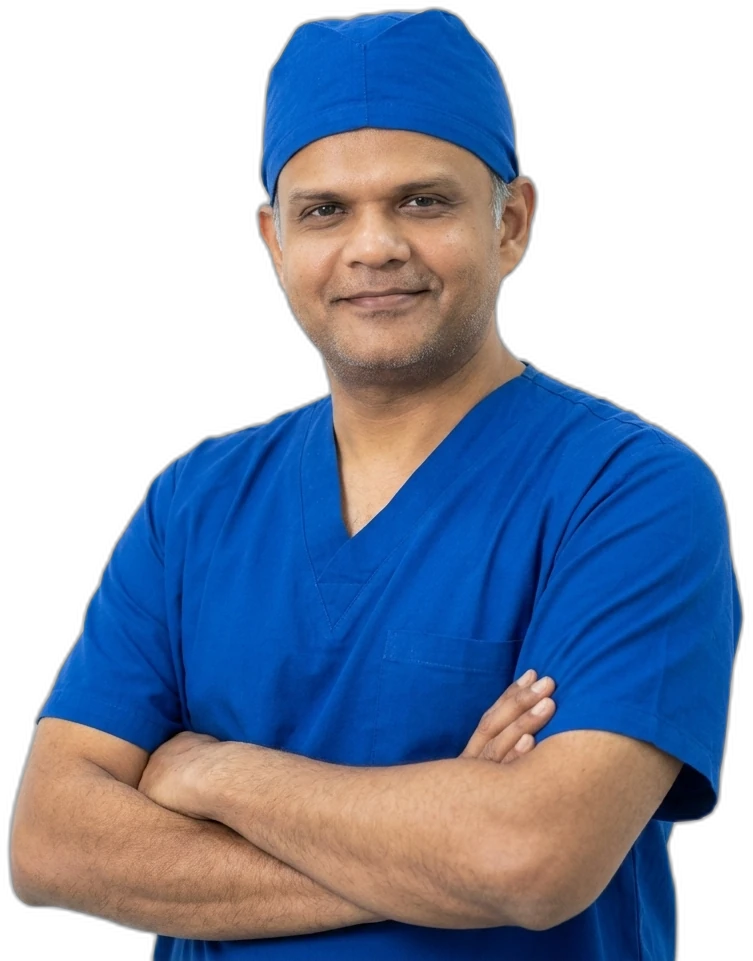
Need expert consultation? Book an appointment with Dr. Babu Elangovan.
Book AppointmentFollowing a sleeve gastrectomy, your digestive anatomy undergoes a permanent structural change that transforms how your body processes food. Adhering to a structured, phased diet after sleeve gastrectomy is essential for protecting your healing stomach, preventing post-operative complications, and ensuring long-term metabolic success.
What is the Staged Diet After Sleeve Gastrectomy?
A staged post-bariatric diet is a progressive, medically supervised eating plan that transitions patients from clear liquids to solid foods over several weeks following surgery.
During a procedure like a sleeve gastrectomy, the surgeon removes approximately 80% of the stomach, leaving a narrow tubular sleeve. This drastic reduction in volume reduces the amount of food you can hold and significantly alters hunger-regulating hormones. Because the internal staple lines require time to seal and heal, introducing solid textures prematurely can cause mechanical pressure, severe pain, or surgical leaks.
While general dietary protocols exist, your specific surgical team's instructions take absolute priority. Every patient recovers at a unique pace depending on individual healing rates, metabolic responses, and any concomitant procedures, such as those discussed when comparing surgical options in sleeve gastrectomy vs gastric bypass.
Why Digestive Recovery Requires a Phased Approach
The post-surgical stomach tissue is swollen and sensitive immediately following operation. Progressing slowly through defined dietary stages fulfills four distinct medical objectives:
- Protecting the surgical staple line from physical strain and pressure.
- Minimising common post-operative side effects such as nausea, vomiting, and acid reflux.
- Ensuring adequate hydration despite severely restricted fluid capacity.
- Establishing foundational high-protein habits to prevent lean tissue wasting.
Phase 1 and Phase 2: Clear Liquids to Full Liquids
The initial phases focus entirely on maintaining fluid balance while easing your digestive tract back into function.
Phase 1 covers Days 1 through 7 post-surgery. During this week, your stomach can only process clear, non-carbonated, non-acidic liquids. Suitable choices include plain water, clear vegetable or bone broth, diluted tender coconut water, and sugar-free electrolyte rehydration solutions.
Phase 2 begins in Week 2 and extends through Week 3. This stage introduces full liquids, which are smooth fluids with slightly higher viscosity and basic nutritional value. You can begin incorporating skimmed milk, diluted buttermilk (mor), strained tomato or vegetable soups, thin dal water (rasam without solid spices), and prescribed whey or plant-based protein supplements.
Hydration Rules and Daily Fluid Targets
Preventing dehydration is the single most urgent task during the first month after surgery.
- Target a daily fluid intake of 1.5 to 2 litres of total liquid unless restricted by your physician.
- Sip fluids continuously throughout the day in small volumes—roughly 30 to 50 millilitres every 15 minutes.
- Avoid gulping or drinking quickly, as fast fluid movement introduces air pockets that trigger painful chest pressure and stomach spasms.
Phase 3 and Phase 4: Pureed Foods to Soft Textures
Transitioning into Phases 3 and 4 allows you to reintroduce semi-solid textures and traditional meal elements safely.
Phase 3 spans Weeks 3 and 4, introducing smooth, completely pureed foods with no remaining lumps or seeds. Acceptable items include blended yellow lentils (moong dal), pureed white fish, smooth paneer mash mixed with warm water, strained vegetable purees, and plain low-fat yogurt (curd). Foods must be blended to the consistency of smooth baby food or applesauce.
Phase 4 begins around Week 5 and continues through Week 6. During this soft-food phase, your sleeve can tolerate items that crumble easily or can be mashed effortlessly with a fork.
Incorporating South Indian Staples into Soft Diet Phases
Adapting traditional regional cooking makes post-bariatric eating familiar, culturally aligned, and nutritious.
- Steamed Idli: Soft, well-steamed idlis soaked in mild, thin dal or buttermilk provide an easily digestible carbohydrate and protein blend.
- Soft Dosa: Thin, soft, uncrisped dosas made with minimal oil can be consumed in very small portions when chewed thoroughly.
- Mashed Dal Rice: Well-cooked, soft rice blended thoroughly with equal parts yellow lentil and a touch of clarified butter (ghee) offers gentle nutrition.
- Scrambled or Soft-Boiled Eggs: Eggs provide high biological value protein and can be easily mashed to suit Phase 4 textures.
Similar structured transitions are used across complex abdominal procedures, as seen in recovery protocols following gallbladder removal surgery or major HPB resections.
How to Prioritise Protein and Prevent Muscle Loss
Prioritising protein intake is the most critical dietary requirement to ensure safe healing and protect lean body tissue during rapid weight loss.
When overall caloric intake drops significantly after sleeve gastrectomy, your body naturally attempts to break down muscle tissue for energy. Consuming sufficient dietary protein signals the body to preserve skeletal muscle mass while burning stored fat reserves. Protein also provides essential amino acids required for surgical wound closure and immune function.
Most bariatric guidelines recommend a daily protein target of 60 to 80 grams, depending on your baseline height, weight, and clinical status. Because your new stomach capacity is limited to roughly 60–100 millilitres per meal in the early months, you must eat your protein source first before touching any vegetables or carbohydrates.
High-Protein Vegetarian and Non-Vegetarian Options
| Food Category | Recommended Sources | Preparation Method |
|---|---|---|
| Vegetarian | Soft cottage cheese (paneer), low-fat curd, tofu, moong dal | Pureed, mashed, or cooked until completely soft. |
| Non-Vegetarian | White fish, skinless chicken breast, eggs | Steamed, boiled, or poached; finely minced or mashed. |
| Supplements | Whey protein isolate, pea/soy protein powders | Shaken with water, skimmed milk, or thin buttermilk. |
For a deeper look into nutrient balancing, review the guide on protein and muscle loss after bariatric surgery.
Essential Daily Eating Habits and Rules to Follow
Adopting strict eating behaviours is essential to avoid discomfort, nausea, stretching of the gastric pouch, and persistent acid reflux.
The fundamental rule of post-bariatric eating is the '30-minute rule'. You must stop drinking all liquids 30 minutes before a meal, refrain from drinking while eating, and wait 30 minutes after completing a meal before taking your next sip of fluid.
You must chew every single bite of food 20 to 30 times until it reaches a complete puree consistency before swallowing. Meals should take between 20 and 30 minutes to complete. Eating faster than this often leads to sudden, uncomfortable fullness, hiccups, or regurgitation.
Habits and Items to Avoid
- Carbonated Beverages: Expanding gas bubbles stretch the delicate stomach sleeve and cause severe bloating.
- Drinking Through Straws: Using a straw pulls air into your oesophagus and pouch, causing sharp gas pains.
- High-Sugar Juices and Sweets: Concentrated sugars trigger rapid fluid shifts in the intestine, leading to weakness, sweating, and dumping syndrome.
- High-Fat Fried Foods: Deep-fried items delay gastric emptying, causing nausea, acid indigestion, and poor weight loss outcomes.
Lifelong Vitamin Supplementation and Routine Monitoring
Lifelong daily vitamin and mineral supplementation is mandatory after sleeve gastrectomy due to reduced food intake and altered digestive mechanics.
Although sleeve gastrectomy preserves the main intestinal absorptive pathway better than procedures such as gastric bypass surgery, the reduced stomach volume severely limits overall micronutrient intake. Removing the gastric fundus reduces the secretion of intrinsic factor, a protein necessary for absorbing Vitamin B12.
Key Micronutrients to Monitor Long Term
- Multivitamins: A daily high-potency bariatric multivitamin containing trace minerals.
- Vitamin B12: Sublingual tablets or periodic intramuscular injections to prevent neurological complications and anaemia.
- Iron: Elemental iron combined with Vitamin C to support red blood cell formation, particularly for menstruating women.
- Calcium Citrate: Preferred over calcium carbonate because it does not require strong stomach acid for absorption, protecting bone density.
- Vitamin D3: Essential for maintaining calcium homeostasis and bone structure.
Regular blood tests are conducted at 3, 6, 12, and 24 months post-surgery to monitor serum micronutrient levels and adjust dosages before clinical deficiencies develop. Similar dietary and metabolic vigilance is required after other major abdominal procedures, such as managing portion sizes and nutrient intake after pancreatic surgery or adhering to specialised nutrition plans after liver transplant.
Warning Signs: When to Contact Your Bariatric Team
Monitoring your symptoms during the dietary progression helps identify potential post-operative complications early.
While mild gas discomfort or transient nausea can occur as your digestive tract adapts, severe or persistent symptoms require immediate clinical evaluation by your surgical specialist. Never attempt to treat severe post-operative symptoms at home with over-the-counter medications without medical clearance.
Recognising Post-Surgical Red Flags
Contact your surgical team promptly if you experience any of the following symptoms:
- Persistent vomiting or an inability to keep clear liquids down for more than 12 hours.
- Severe or worsening abdominal pain that is not relieved by prescribed pain medication.
- Fever above 38 °C (100.4 °F) or chills.
- Heart rate persistently exceeding 100 beats per minute.
- Shortness of breath, chest pain, or pain radiating to the left shoulder.
- Signs of severe dehydration, such as dark urine, confusion, extreme dizziness, or dry mouth.
Who is suited to a sleeve and the alternatives are covered in the obesity and metabolic disease guide and on Dr. Babu Elangovan's bariatric and metabolic surgery page.
Expert Bariatric and GI Care in Chennai
Proper post-operative care requires ongoing guidance from an experienced surgical team. Dr. Elangovan is a Surgical Gastroenterologist and Liver Transplant Surgeon providing comprehensive bariatric, metabolic, and complex digestive care across these locations in the Chennai metropolitan area:
- Mira Health Care (Adyar)
- Kauvery Hospital (Alwarpet)
- Capstone Clinic (T. Nagar)
- Kumaran Hospital (Kilpauk)
- THANC Hospital (Kilpauk)
Every patient under Dr. Elangovan's care receives tailored surgical evaluation, individualised post-operative dietary structuring, and long-term metabolic follow-up to ensure safe, sustained recovery.
To discuss your surgical recovery or schedule a clinical consultation, contact Dr. Elangovan's direct clinical appointment line at +91 94440 43478 or book an appointment online with Dr. Elangovan.
Dr. Elangovan, Surgical Gastroenterologist (MCh), sees patients at Mira Health Care, Adyar (Monday to Saturday, 4 to 7 PM), and also at Kauvery Hospital (Alwarpet), Capstone Clinic (T. Nagar) and Kumaran and THANC Hospitals (Kilpauk). Call or WhatsApp +91 94440 43478, or book an appointment online.
Written & medically reviewed by