Best Foods for Liver Health: What Your Liver Loves
Need expert consultation? Book an appointment with Dr. Babu Elangovan.
Book AppointmentBest Foods for Liver Health: What Your Liver Loves
Most “liver diet” lists online read like a supermarket aisle in another country. This one is built for how people in Chennai actually eat — millets, greens, dals, coffee with caveats — and it ends where food lists usually stop: the point at which diet is no longer enough and you need the liver properly assessed.
Why food matters for fatty liver
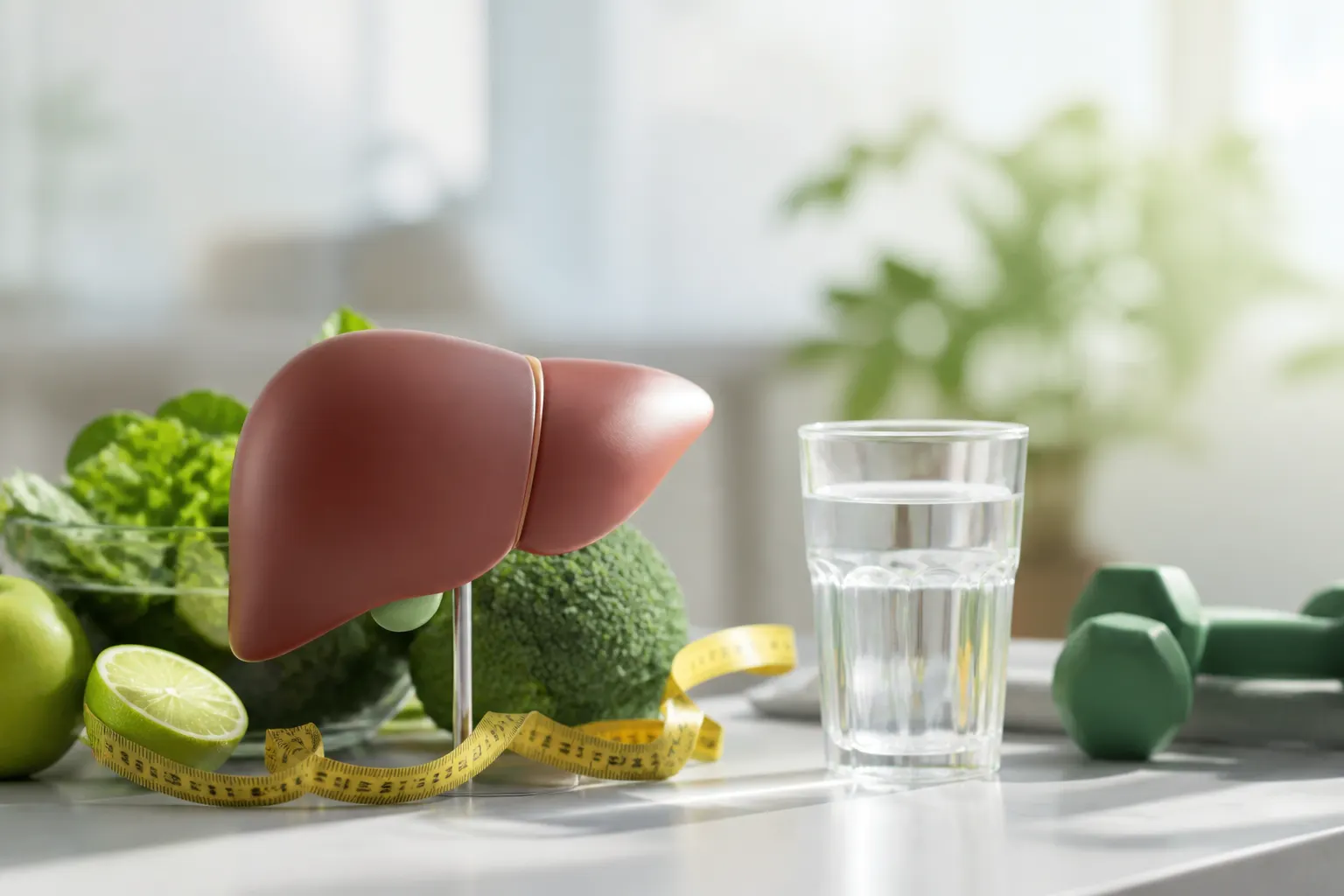
The liver filters, stores and metabolises almost everything you swallow. When calorie and sugar load consistently exceed what the body needs, the liver converts the surplus into fat inside its own cells — a process called de novo lipogenesis. That is the start of metabolic fatty liver, now usually called MASLD (metabolic dysfunction-associated steatotic liver disease), formerly NAFLD.
In India this is especially common, including in people who are not obviously overweight (“lean MASLD”), because visceral fat and insulin resistance can sit quietly under a normal BMI. Early fat accumulation is often reversible. Stages, scarring and when the condition becomes serious are covered in fatty liver disease: when does it become serious. This article is the practical food half of that conversation.
Coffee, tea and hydration
Coffee, in moderation and without sugar bombs, is one of the better-studied dietary associates of liver health. Regular intake is linked with lower ALT/AST and a reduced risk of fibrosis and cirrhosis in observational data. Drink it black or with a splash of low-fat milk — not as a dessert.
Tea (green or plain black) brings catechins; skip bottled sweetened versions.
Water — about 2.5–3 litres a day for most adults, adjusted for weather and activity — supports bile flow and the kidneys that clear what the liver has processed. Soft drinks and packaged juices do the opposite: liquid sugar hits the liver fast with no fibre to slow it.
Leafy greens and cruciferous vegetables
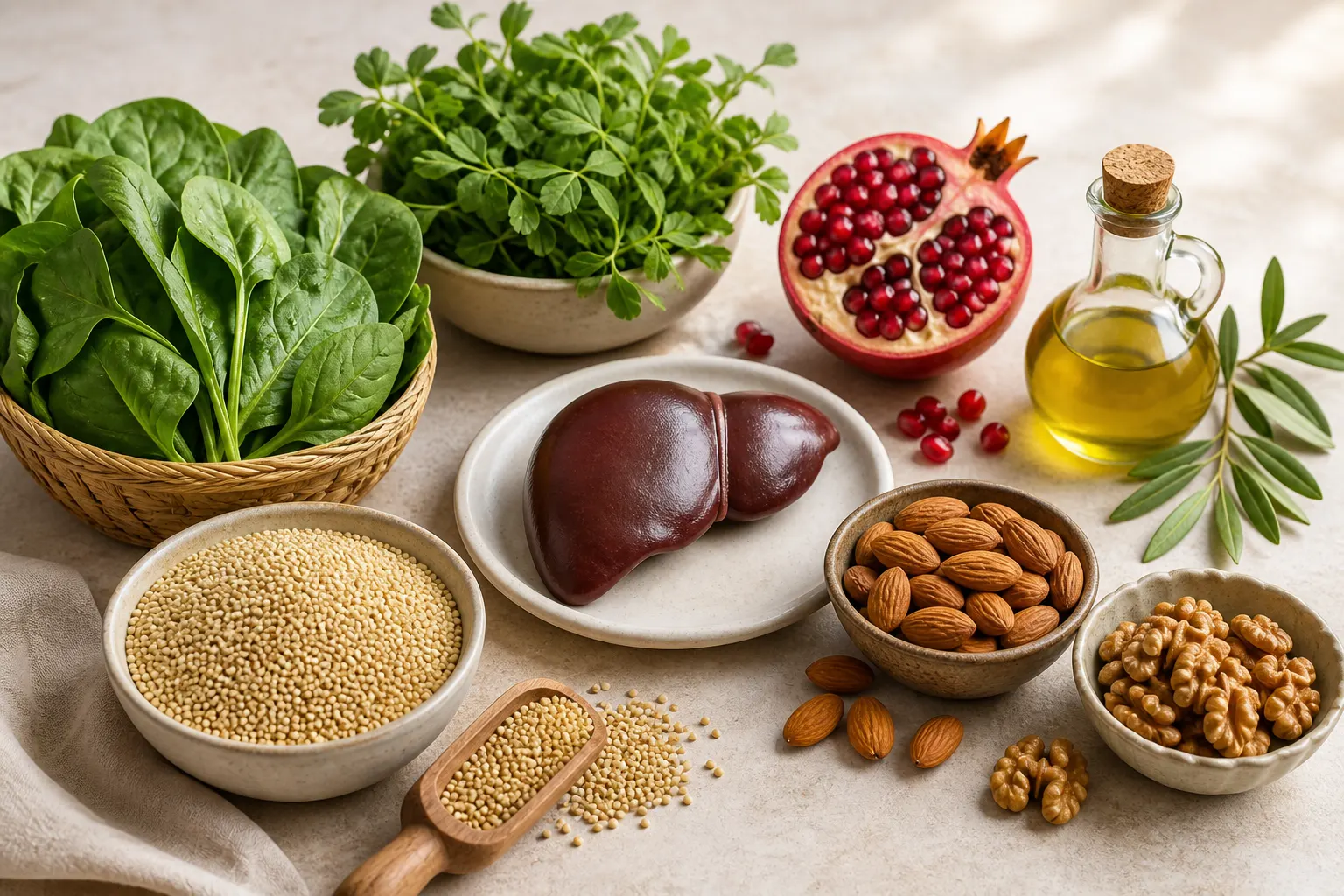
Local greens do the real work here: spinach (palak), fenugreek leaves (methi), drumstick leaves (murungai), cabbage, cauliflower and radish. They supply fibre, plant compounds that support the liver’s own detoxification enzymes, and volume that fills you without a sugar spike.
Steam or lightly sauté rather than deep-fry. A plate of greens with dal beats another round of fried sides for anyone trying to unload liver fat.
Berries, local fruit and antioxidants
Imported blueberries are optional. Pomegranate, citrus (whole fruit, not juice), and amla are easier to find and rich in polyphenols and vitamin C that help counter oxidative stress in liver cells.
Eat fruit whole. Juicing strips fibre and delivers a fructose pulse the liver has to handle alone — the opposite of what you want in fatty liver.
Olive oil, nuts and portion control
Monounsaturated fats (olive oil, modest amounts of cold-pressed mustard oil) and a small handful of unsalted nuts (walnuts, almonds) support lipid profiles and inflammation control. The catch is calories: “healthy fat” still becomes liver fat if portions creep up.
A practical ceiling for many patients: 4–5 almonds and 1–2 walnuts a day, and 1–2 tablespoons of cooking oil total — not per dish.
Whole grains and millets
Polished white rice and maida drive quick insulin spikes. Traditional millets — ragi, jowar, bajra — slow digestion and improve glycaemic control, which reduces the signal for the liver to make and store fat.
Swap ideas that actually stick: ragi idli instead of plain rice idli; jowar or bajra roti instead of refined-flour parotta; brown rice or millet rice for part of the week rather than an overnight all-or-nothing change.
You do not have to abandon rice. Reducing the portion, pairing it with dal, vegetables and curd, and eating the vegetables first all blunt the glucose response meaningfully. Cooked-and-cooled rice also forms resistant starch, which behaves more like fibre — one reason curd rice sits better with many patients than a fresh hot mound of it.
Protein, fish and eggs
Protein is the most commonly neglected part of a liver diet. Adequate intake protects muscle during weight loss, and preserved muscle matters — sarcopenia worsens outcomes in advanced liver disease and raises surgical risk.
Practical sources here: dals and legumes, eggs, curd and paneer, and fish. Oily fish — sardines (mathi), mackerel (ayala), seer — supply omega-3 fats associated with lower liver fat. Two servings a week is a reasonable target for those who eat fish.
Vegetarians can reach adequate protein by combining cereals with pulses across the day, adding curd or paneer, and not treating dal as a thin side. The common failure is a plate that is 80% rice with a token spoon of dal.
A day that actually works
For patients who want a starting shape rather than a rule book:
| Meal | Reasonable | Try to avoid |
|---|---|---|
| Breakfast | Ragi idli, dosa with sambar, eggs, upma with vegetables | Sweetened cereal, packaged juice, parotta |
| Lunch | Millet or reduced rice, dal, two vegetables, curd | Large white-rice portion with fried side |
| Snack | Fruit, a small handful of nuts, buttermilk | Biscuits, fried savouries, sugary tea |
| Dinner | Roti with vegetable and dal, or light rice with fish | Late heavy fried meal close to bedtime |
Nothing here is exotic or expensive, which is the point — plans that require unfamiliar shopping tend not to survive the first busy week.
What food cannot do alone
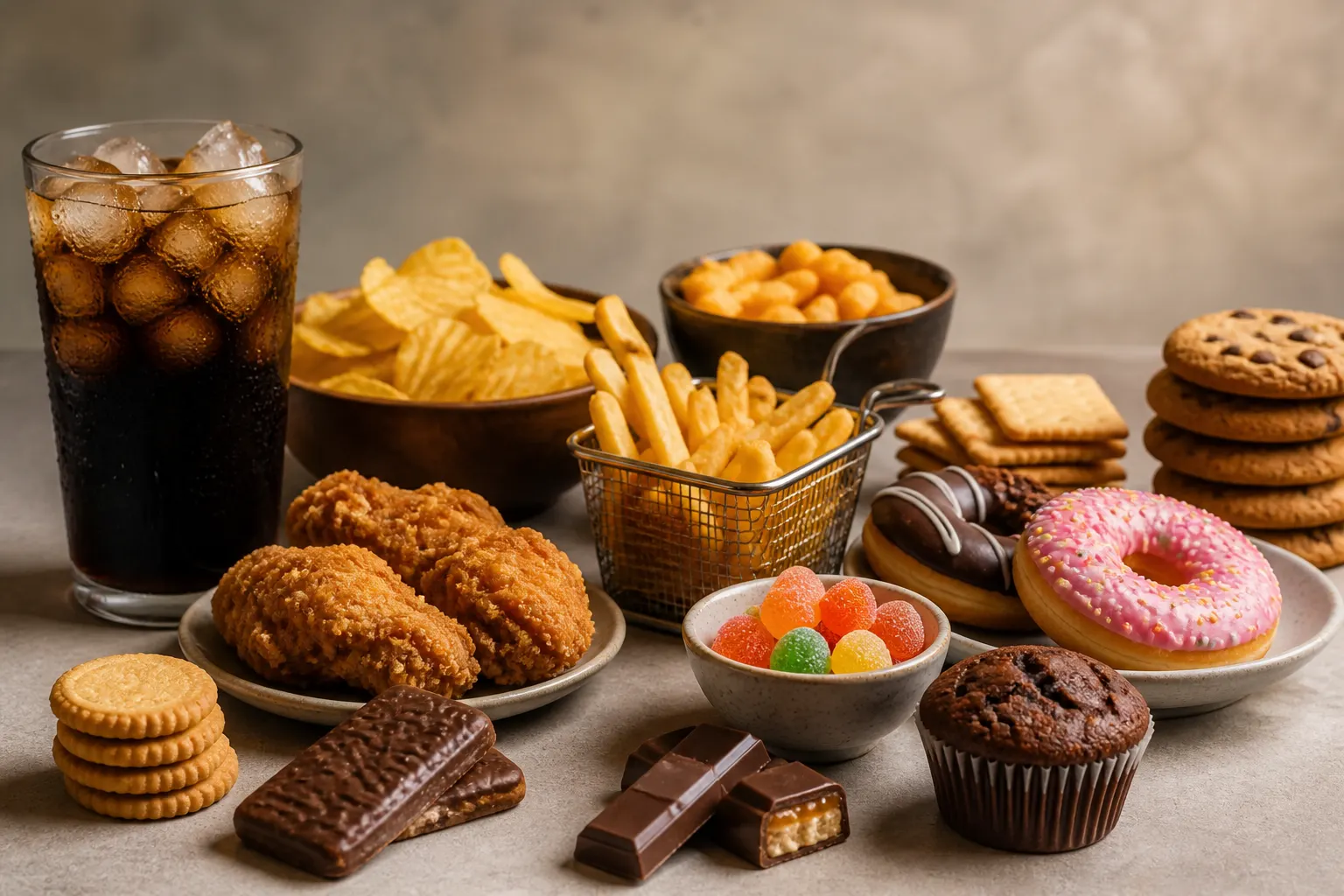
Diet reverses early steatosis for many people. It does not erase established cirrhosis, undo portal hypertension, or replace assessment when enzymes are abnormal or fibrosis is suspected. Alcohol is a separate toxin — how much is too much is covered in alcohol and your liver, and the foods that actively worsen fatty liver are listed in foods that worsen fatty liver disease.
If you need advanced HPB or transplant care, that pathway sits under liver transplant — diet remains supportive care, not the operation.
When to get the liver checked
Seek proper evaluation — not another cleanse — if you have:
- Persistent fatigue or discomfort under the right ribs
- Abnormal liver enzymes on a health check
- Diabetes, central obesity or metabolic syndrome
- Yellow eyes/skin, dark urine, pale stools, or swelling of the abdomen or legs
Ultrasound shows fat; FibroScan measures stiffness and fat content more usefully when you need to know about scarring. A normal LFT alone does not rule out significant disease.
A note on supplements
Patients frequently ask which liver supplement to add. For most people the answer is none. Milk thistle, "liver tonics" and high-dose antioxidant blends have not shown convincing benefit on liver fat or fibrosis, and some botanical products have caused liver injury in their own right.
Vitamin E has evidence in selected patients with biopsy-confirmed MASH, but it is a prescribing decision with genuine trade-offs — not something to start from a blog. If you are already taking supplements, bring the actual bottles to your consultation rather than trying to recall the names.
If you want a clear plan
Bring your reports and an honest diet history. We can sort what is reversible with food and activity from what needs imaging, metabolic treatment or surgical pathways.
Consultations with Dr. Babu Elangovan are available at Mira Health Care (Adyar), Kauvery Hospital (Alwarpet), Capstone Clinic (T. Nagar), Kumaran Hospital and THANC Hospital (Kilpauk).
Book an appointment or call +91 99626 60009.
This article is general information, not personal medical advice. Dietary changes for diagnosed liver disease should be reviewed with your doctor, especially if you have diabetes, kidney disease or are on medication.
References
- Rinella, M. E., et al. "AASLD Practice Guidance on the Clinical Assessment and Management of Metabolic Dysfunction-Associated Steatotic Liver Disease." Hepatology, 2023. https://www.aasld.org/
- European Association for the Study of the Liver (EASL). "EASL–EASD–EASO Clinical Practice Guidelines on the Management of MASLD." Journal of Hepatology, 2024. https://www.journal-of-hepatology.eu/
- Kennedy, O. J., et al. "Coffee, Including Caffeinated and Decaffeinated Coffee, and the Risk of Hepatocellular Carcinoma." BMJ Open, 2017. https://bmjopen.bmj.com/
- Indian Council of Medical Research (ICMR). "Dietary Guidelines for Indians." National Institute of Nutrition. https://www.nin.res.in/
- Zelber-Sagi, S., et al. "Nutrition and Physical Activity in NAFLD: An Overview of the Epidemiological Evidence." World Journal of Gastroenterology, 2011. https://www.wjgnet.com/
Authored by